
From Hurricane Katrina to today:
20 years of the Temple Emergency Action Corps at the Lewis Katz School of Medicine

Temple Emergency Action Corps will celebrate its 20th anniversary during the Lewis Katz School of Medicine Reunion and Alumni Weekend on April 18.
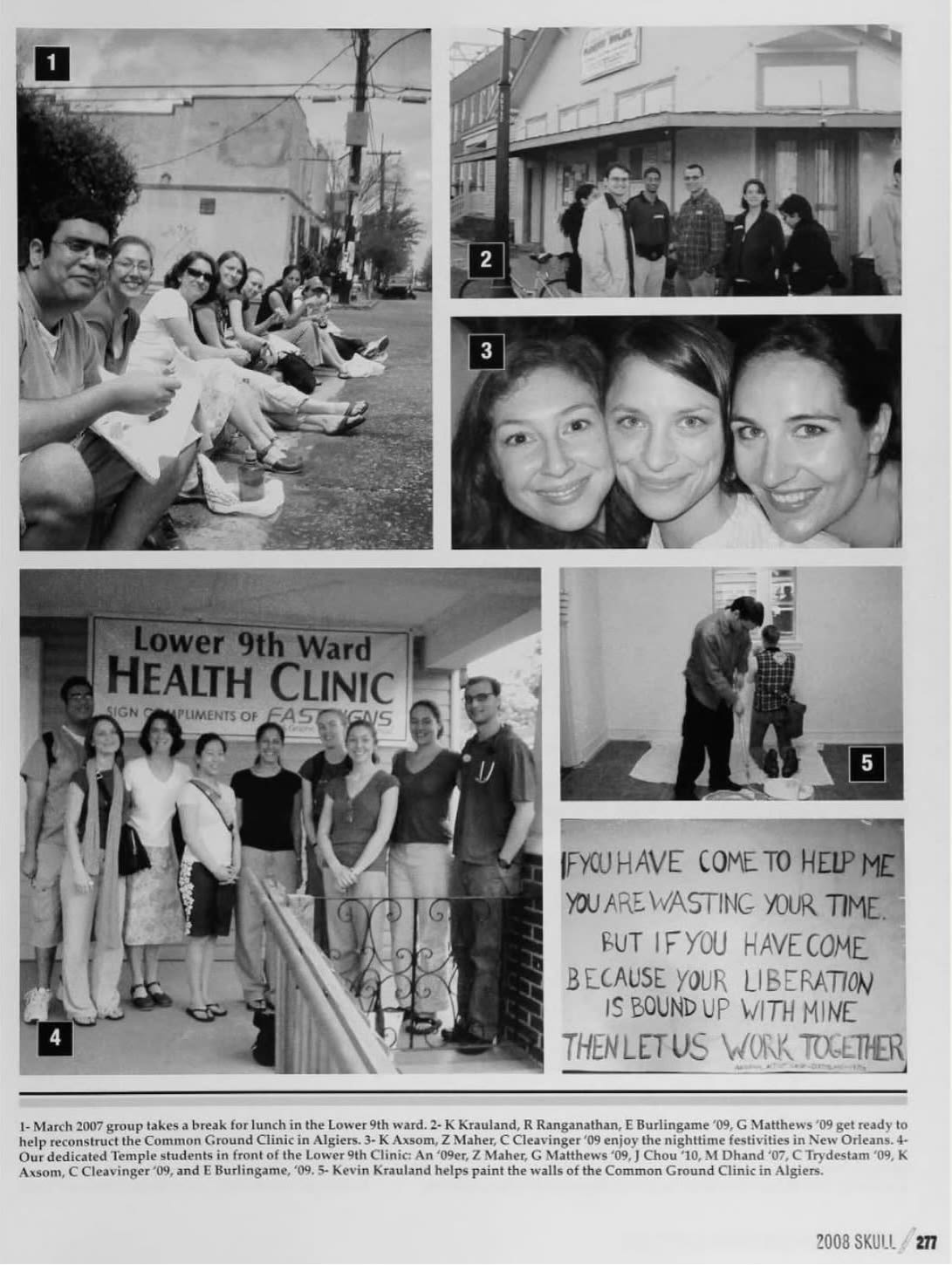
Zoë Maher, MED ’08, was just beginning her second year of medical school at the Lewis Katz School of Medicine when Hurricane Katrina devastated the Gulf Coast in August 2005. For Maher, the disaster felt personal.
"I remember the moment," she said. "I was watching the news with horror. I had been a schoolteacher in New Orleans before medical school. I felt totally helpless watching the flooding and devastation unfold on television."
That formative time moved Maher to act, laying the groundwork for what would become the Temple Emergency Action Corps (TEAC)—now the largest student-run organization at Katz and celebrating its 20th anniversary this year.
After securing initial funding from the Greenfield Foundation, Maher led a group of nine first-year medical students to New Orleans to assist with relief efforts following Hurricane Katrina. Working with a local nonprofit organization, the students helped with cleanup and provided basic medical care.
"We delivered supplies, checked blood pressures and helped ensure people were able to access their medications," Maher said. "It was a small group, but it showed what medical students could do to help communities during times of crisis."
Following the trip, Maher and her classmates’ vision to create an emergency response group began to take root.
"We started calling it the Temple Emergency Action Corps, or TEAC," she said. "The original idea was to organize groups of medical students who could respond to areas experiencing subacute or chronic disasters—locally, nationally or internationally—when needed."


Growing the impact
While TEAC was founded as an emergency response initiative, its mission quickly expanded.
In addition to disaster relief, TEAC partners with communities facing ongoing public health challenges, including individuals experiencing homelessness or limited access to healthcare.
Through service and outreach, TEAC complements the medical school curriculum by providing hands-on experiential learning that strengthens students’ cultural competency and commitment to compassionate care. Students engage directly with communities, gaining a deeper understanding of the social and environmental factors that influence health.
The organization also fosters collaboration among Temple alumni, students, faculty, healthcare professionals and public health partners. These relationships strengthen community connections while helping train physicians who are dedicated to service.
"There were students all over the country who were part of the founding," Maher said. "It was really a shared cohort that helped make it happen."
Today, the organization has nearly 200 active members, more than 50 student leadership and membership roles, and programming that engages students in service every week throughout the year.
By combining education, service and partnership, TEAC prepares future physicians to respond thoughtfully and effectively to both urgent crises and long-term public health needs.
At the heart of TEAC’s work is a commitment to relationship-building, trust and compassionate care.
“We’re not there to simply drop off resources—we’re there to listen first,” said Brianna Schoenfelder, a second-year medical student and coordinator for TEAC’s CPR and disaster response program. “We approach communities with humility, asking what they need and how we can help connect them to the resources that already exist. Our goal is to walk alongside individuals, step by step, so they can take charge of their own health.”
"From its earliest days, TEAC has reflected the heart of the Lewis Katz School of Medicine, with students who step forward to meet real needs," said Amy Goldberg, the Marjorie Joy Katz Dean of the Katz School. "Since its founding, TEAC has enriched our students’ education by creating meaningful opportunities to serve the community, building the skills, perspective and commitment that shape compassionate physicians and leaders."




Returning to where it began
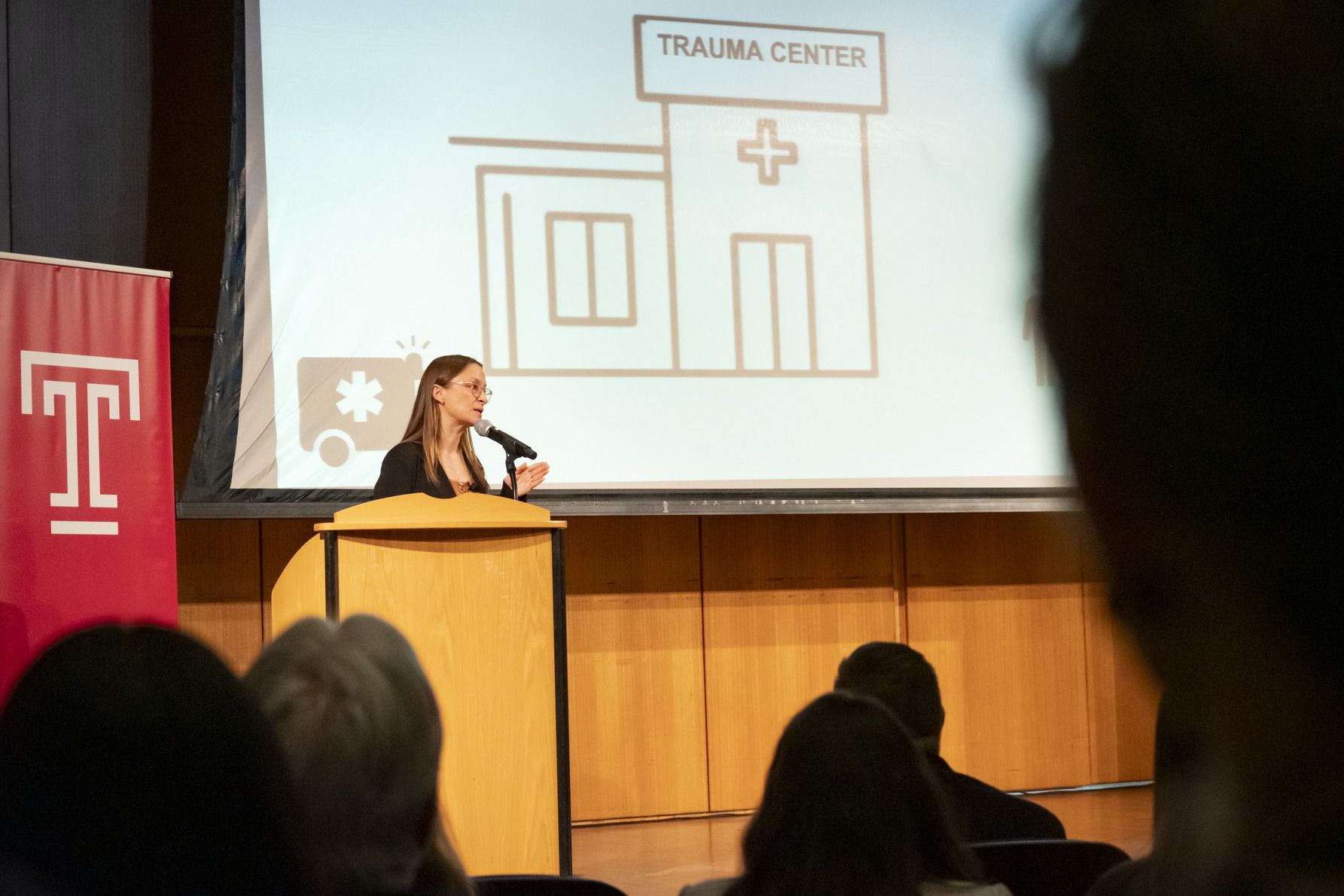
Maher’s own career has come full circle. She is now interim chief of the Division of Trauma and Surgical Critical Care at Katz and associate trauma medical director at Temple University Hospital—and serves as the faculty advisor to the organization she helped create.
After TEAC’s third year, Maher graduated from medical school and new Katz students stepped in to oversee the organization. Maher then completed her residency at Temple, went to the University of Pennsylvania for her fellowship and returned to Temple as faculty. Over the years, TEAC has expanded and extended its outreach to communities in North Philadelphia.
"In between the time I left and then came back, the organization really has grown from being an organization that responds annually to subacute chronic disasters to an organization that functions in the North Philadelphia community 365 days of the year and provides care to the people who are living in what could be described as an area with chronic, unmet needs."
Second-year medical students Vanessa Peduzzi and Ritu Kulkarni currently serve as co-presidents of TEAC’s executive board.
"TEAC creates extraordinary leadership opportunities for students," Kulkarni said. "It gives them meaningful, consistent ways to serve so they’re not just volunteering occasionally—they’re truly understanding the communities they’re working with and becoming deeply invested in communities they support."
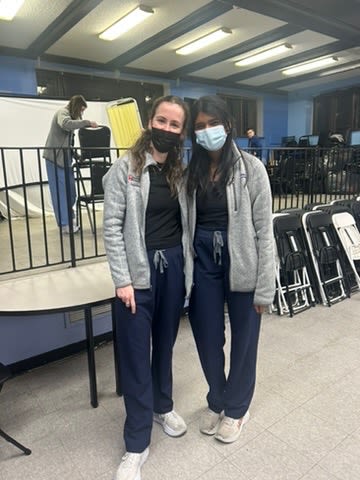
For the branch leaders, being selected to a leadership position is a delicate balance between the demands of medical school and their volunteering commitments. Because of the nature of medical school schedules, TEAC changes leadership every year.
"Dr. Maher is an incredible mentor for TEAC students," said Peduzzi. "She founded the organization, so she understands exactly what we’re trying to accomplish. She helps guide us and break big ideas into achievable steps, which makes it possible for students to keep growing the organization and its impact."

There are guiding principles for the organization, a constitution, and overarching long-term goals and objectives to keep leadership and members focused on the mission.
"There are some really tremendous people who come through as leaders in TEAC," said Maher. "In my opinion, some of the strongest students that graduate from Katz are students who find their way to TEAC, early in their medical school careers, so I think it's a great launching pad for students, and something that’s impactful for them long-term."
Leaders have a detailed process for electing members to the executive board and in transitioning roles each year with a paper application, interview process and blind scoring process as the executive board votes on new leadership.
"They have a very robust file system for historical information and documentation to transition leaders each year," said Maher. "They are tremendous leaders. They are all terribly capable students, and it is really fun to watch them grow and see all that they accomplish."

A partnership that made it possible
TEAC’s growth has been supported in large part by the Greenfield Foundation, which has funded the organization since its earliest days.
"My involvement with TEAC really began after Hurricane Katrina, when the Greenfield Foundation wanted to earmark funds to support victims," said William S. Greenfield, MED '69, a psychiatrist and founder of Penn Recovery Systems. "Zoë came to us with two other medical students and described the work they were doing—and they were asking for just a few thousand dollars. I was blown away."
"After our first trip to New Orleans, we came back and presented to the executive board who had provided us funding, and Bill Greenfield approached us after the presentation was really interested in figuring out if we could develop a partnership," said Maher. "And he essentially invited us to apply for funding to continue the work that we had done."
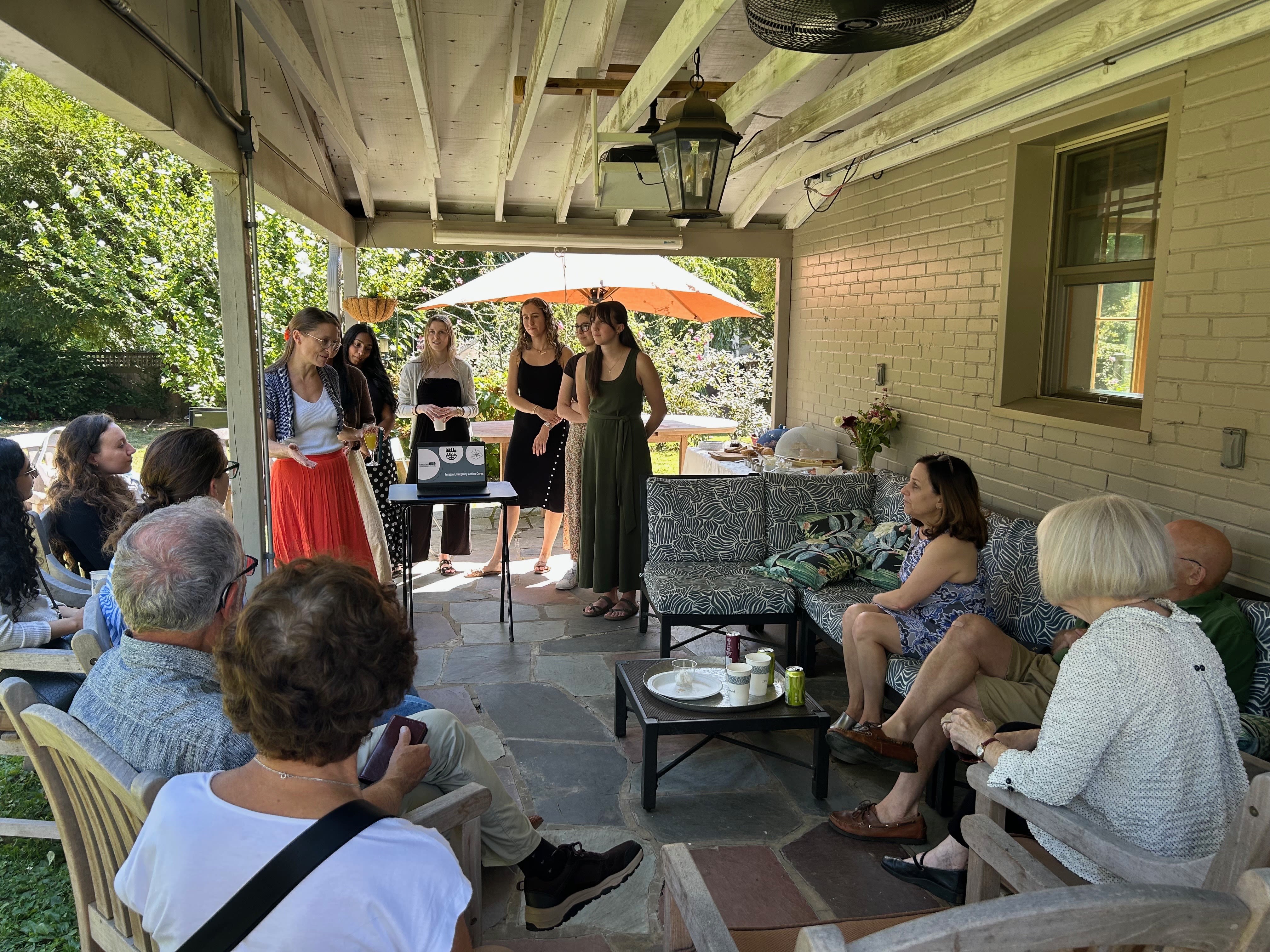
Zoë Maher and members of TEAC share the organization's latest updates at a meeting with the Greenfield Foundation.
Zoë Maher and members of TEAC share the organization's latest updates at a meeting with the Greenfield Foundation.
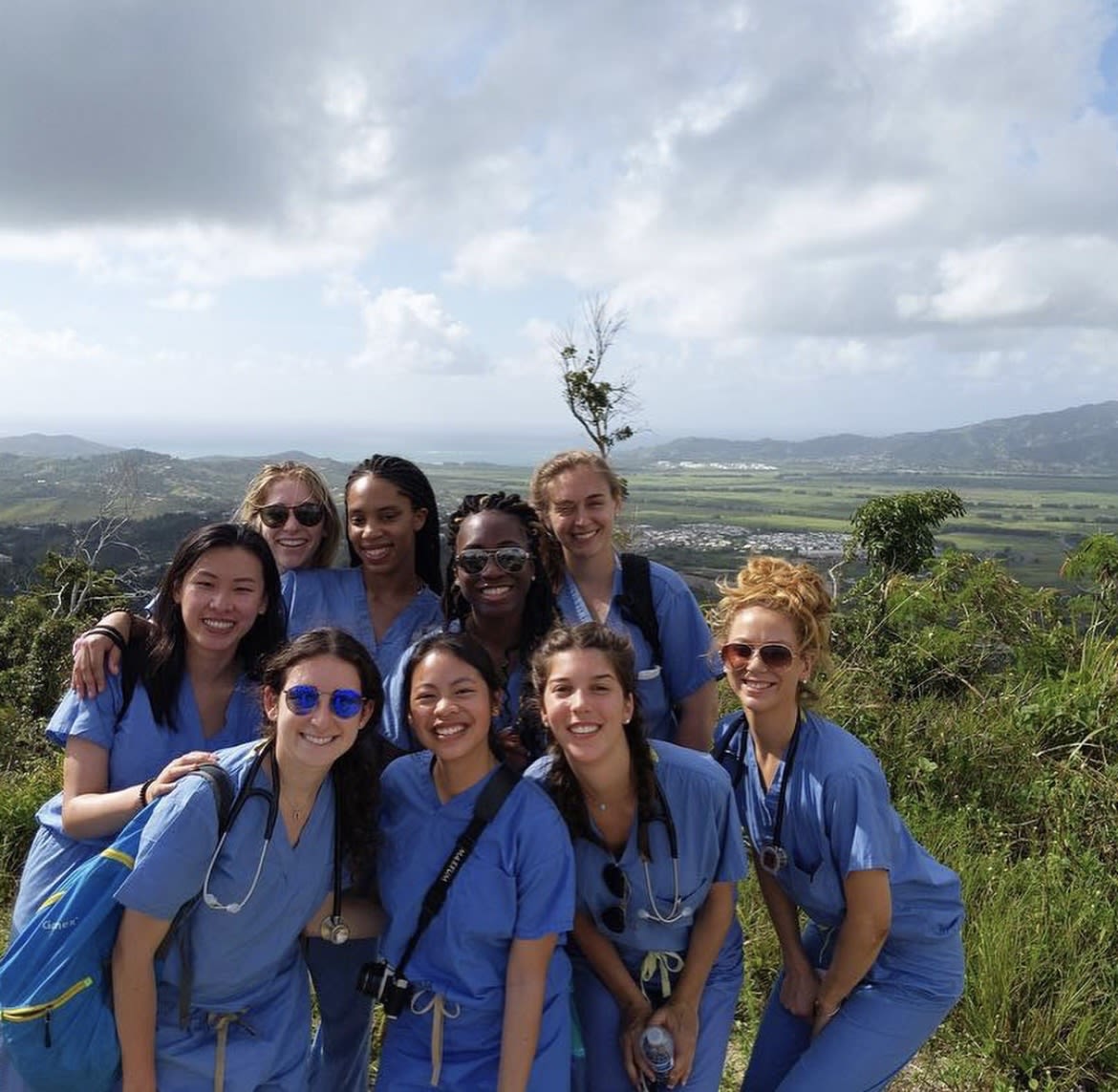
"Supporting TEAC became an annual commitment," added Greenfield, who is also an emeritus director of the Katz School Alumni Association and an emeritus member of Katz’s Board of Visitors. "Zoë is a dynamo. She created something extraordinary, and it has only grown stronger over time. I've had the opportunity to visit some of the programs in places like Puerto Rico and Honduras, and I continue to be impressed by the quality, compassion and professionalism of the students. Their understanding of the communities they serve is remarkable."
With the foundation’s support, students returned to New Orleans the following year to continue relief efforts. Over time, the partnership grew into an ongoing commitment to support TEAC’s expanding programs.
"Supporting TEAC is one of the best decisions I've ever made—it's a perfect example of why I value my connection to Temple so deeply. Watching these students thrive and seeing the ongoing impact of their work has been incredibly meaningful. I feel very fortunate to have been part of it."
Greenfield’s daughter, Jill Feldman, became a trustee of the Greenfield Foundation in 1998 and currently serves as a foundation manager at the organization. She noted the direct interaction with the students as a driving force for their support.
"Meeting with the students is truly the best part," said Feldman. "Medical school is so demanding, yet they still find the time and energy to build and expand TEAC in ways that continue to impress us. There are a lot of needs in our city, and it’s great to see students going out to meet those needs. Seeing their dedication, hearing about what they've accomplished and learning about the ideas they have for what comes next is incredibly inspiring."
Programs that serve locally and globally
Today, TEAC operates through four major branches: CPR education, disaster response, the Thrive Clinic, and education and advocacy initiatives.
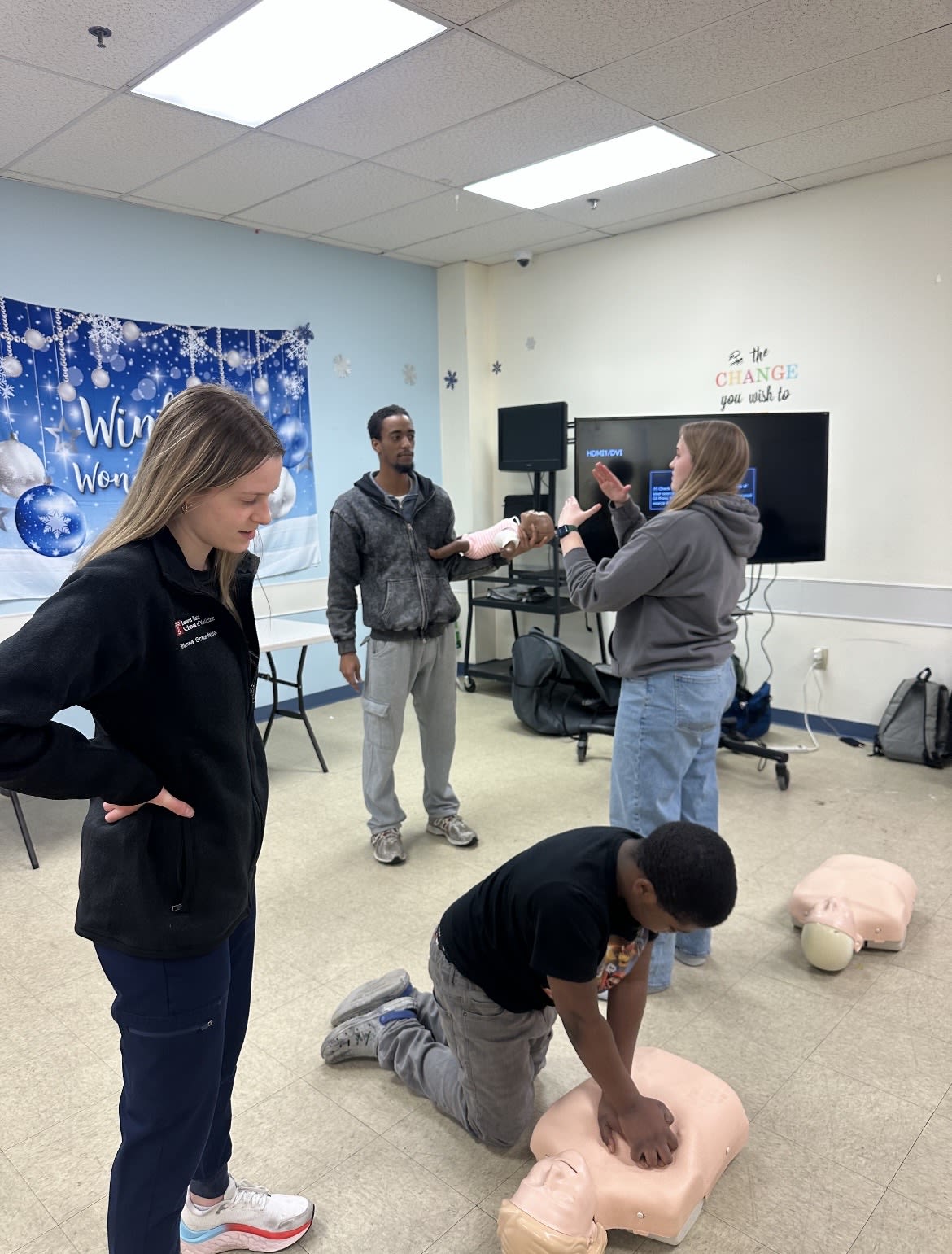
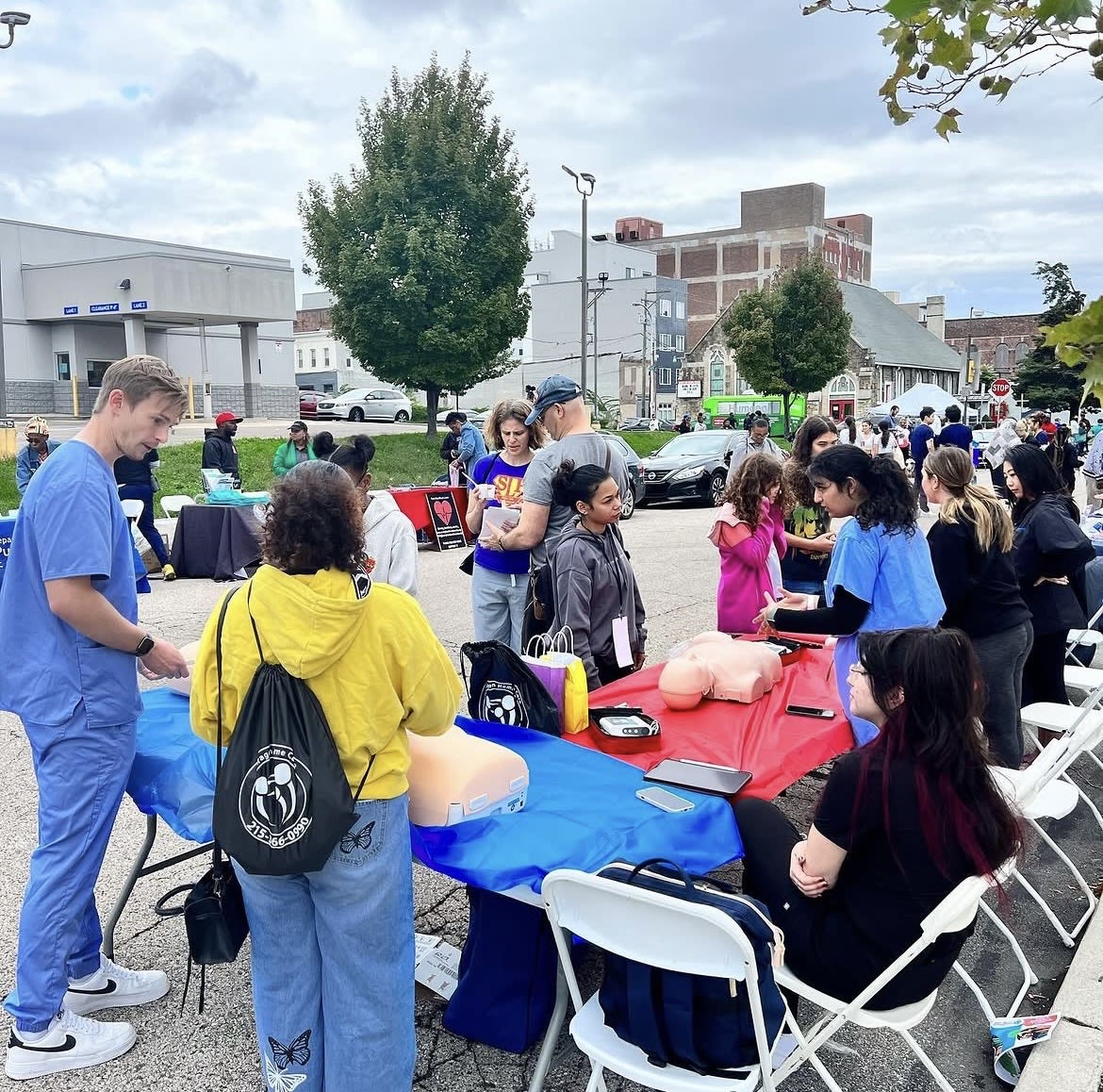
Through its CPR branch, students teach basic life support and first aid skills to both medical students and members of the broader North Philadelphia community. In the past year alone, TEAC volunteers have certified hundreds of individuals in CPR.
Leaders of the CPR and disaster response program ensure that medical students are recertified in CPR every two years. They receive training in their first and third years of medical school.
"We have also expanded beyond the medical school to teach CPR and basic first aid skills in the community," said Schoenfelder. "We have certified more than 400 people in the last year."
Additionally, refresher courses are offered throughout the year for second- and fourth-year medical students and others in the community who want to strengthen their CPR skills. Each year, new CPR instructors are selected to continue this students-teaching-students model of education.
In addition to basic life support CPR certification, the student-led course also includes Narcan certification, a lifesaving, over-the-counter nasal spray that rapidly reverses opioid overdoses. This training enables students to take the lead in emergencies and provide life-saving care in the community.

The organization's disaster response program prepares students to assist during emergencies through training in triage, emergency management and crisis response.
In spring of 2019, the branch partnered with Temple University's Emergency Management Department to run a point of distribution to administer mumps vaccines during the outbreak on campus. Students also held multiple lunch talks to teach medical students triage and mass casualty response techniques.
Students were also mobilized during the COVID-19 pandemic to collect medical supplies and administer COVID-19 tests on campus.
In 2021, TEAC students played a prominent role when Temple was asked to organize and staff a medical clinic for Afghan refugees arriving at Philadelphia International Airport. Medical students collected donations, made pharmacy runs, purchased and delivered basic necessities for the youngest passengers, and pitched in at the medical screening and triage areas.
TEAC's disaster response branch was also instrumental in serving as a point of contact for the Red Cross when a medical jet crashed shortly after takeoff in Northeast Philadelphia in January 2025.

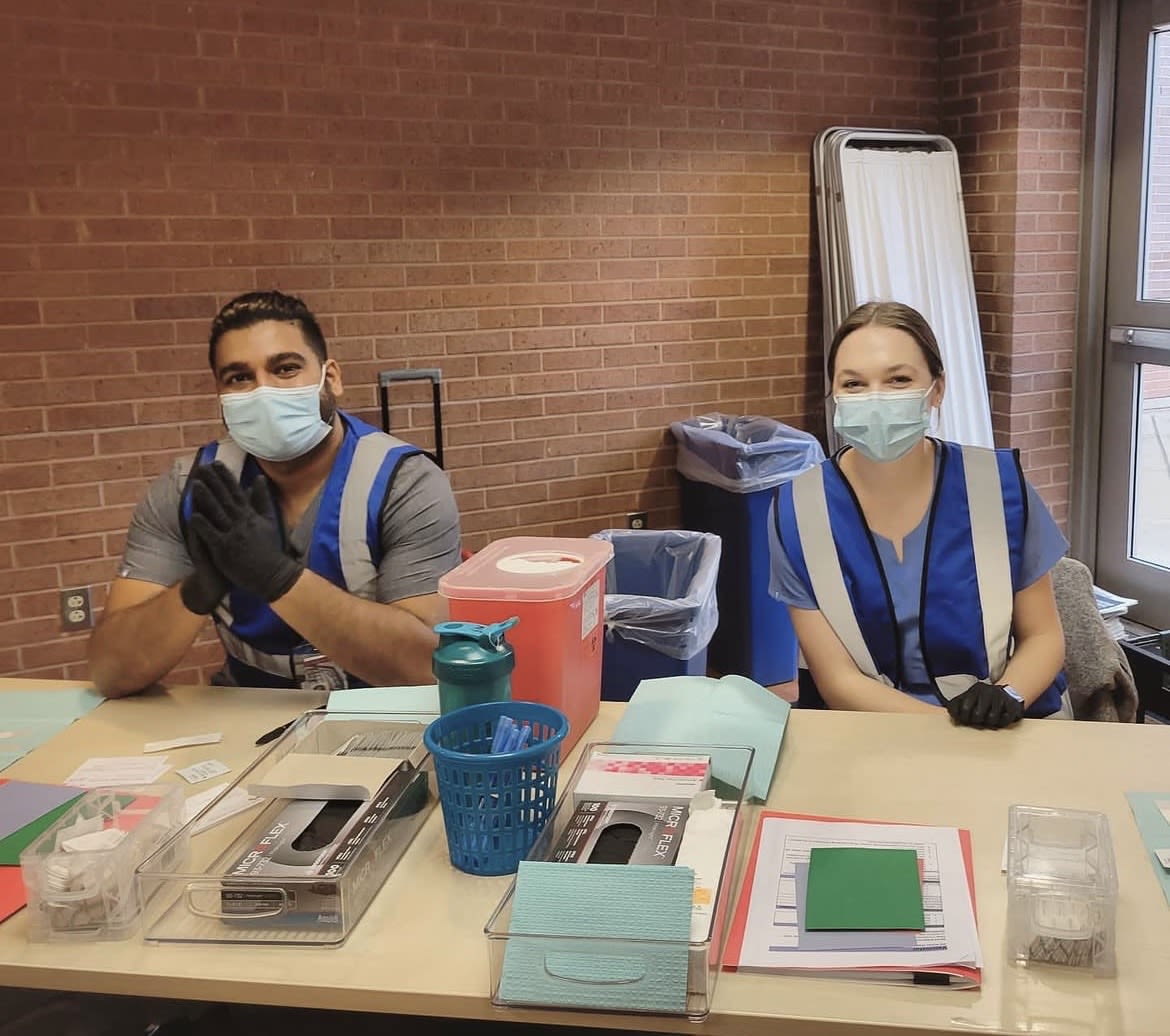
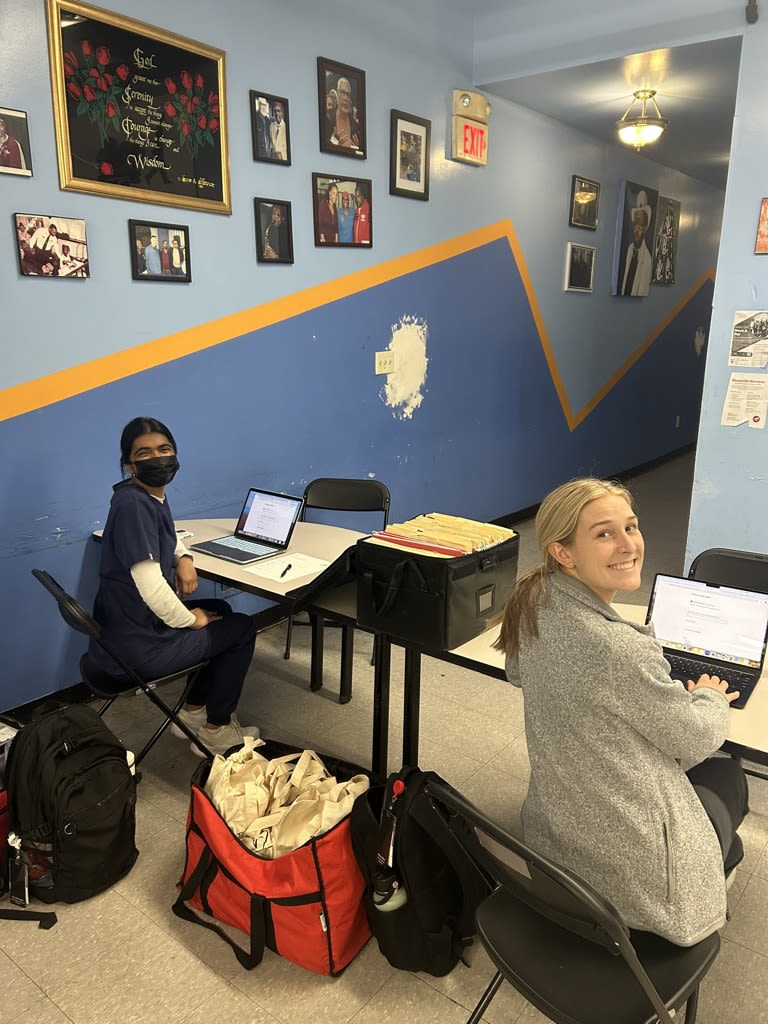
In addition to disaster aid and education, TEAC operates the Thrive Clinic, a free, student-run bridge clinic established in November 2018 serving members of the North Philadelphia. Thrive also provides free weekly medical care and screenings at the One Day at a Time Shelter in North Philadelphia.
Staffed by Temple first- through fourth-year medical students and resident and attending physicians, volunteers provide acute medical care and health screenings. They take a complete medical history, conduct a physical exam and provide general wellness check-ups to address acute or chronic healthcare conditions. After presenting the information to a Temple physician, together they assess the patient, confirm a diagnosis and outline next steps for treatment.
The team also provides HIV rapid testing and basic screenings to all patients such as blood pressure, blood sugar, oxygen saturation, pulse, and height and weight to help assess general physical health and monitor chronic conditions such as diabetes and hypertension.
"There is always a line outside the door when we arrive to open the clinic," said Anna Oettinger, a member of the TEAC executive board and co-director of Thrive. "We all have open minds and a desire to learn what our patients need to better serve them, but we are also there to listen. Sometimes they just want someone to talk to."
Students also lead education and advocacy initiatives focused on improving health literacy and connecting community members with resources such as primary care providers, dental services, substance dependence support, HIV maintenance programs, mental health support and transportation to medical appointments.
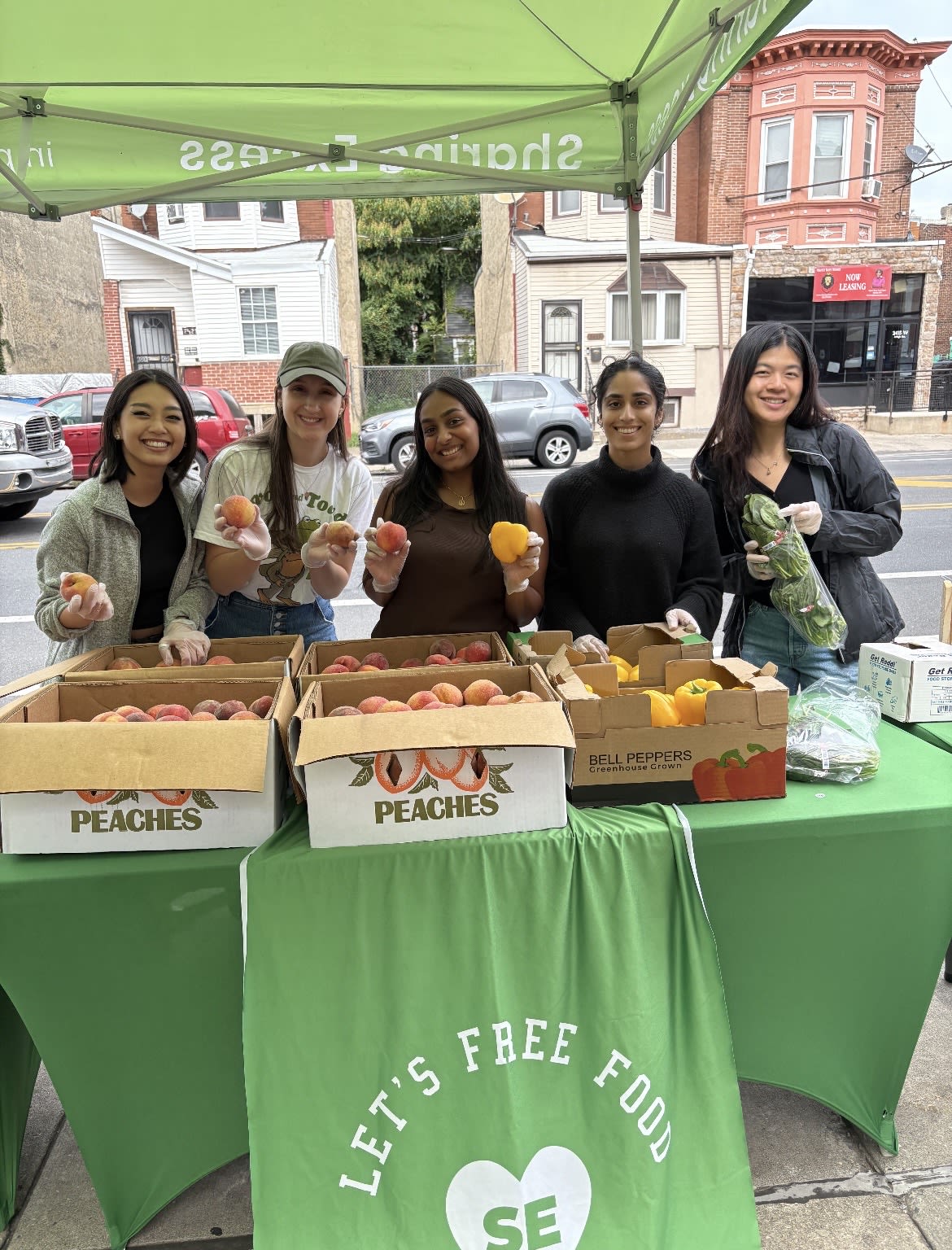
"Our goal is to meet people where they are and help improve health literacy in ways that feel approachable and useful," said Sraavya Pinjala, who co-leads education and policy initiatives. "We don't want to just talk at community members—we want to engage with them and understand their needs. That's why we organize things like wellness bags with toiletry items and food drives to help address food insecurity. It's really about going into the community, listening and finding ways we can support them."

A global perspective
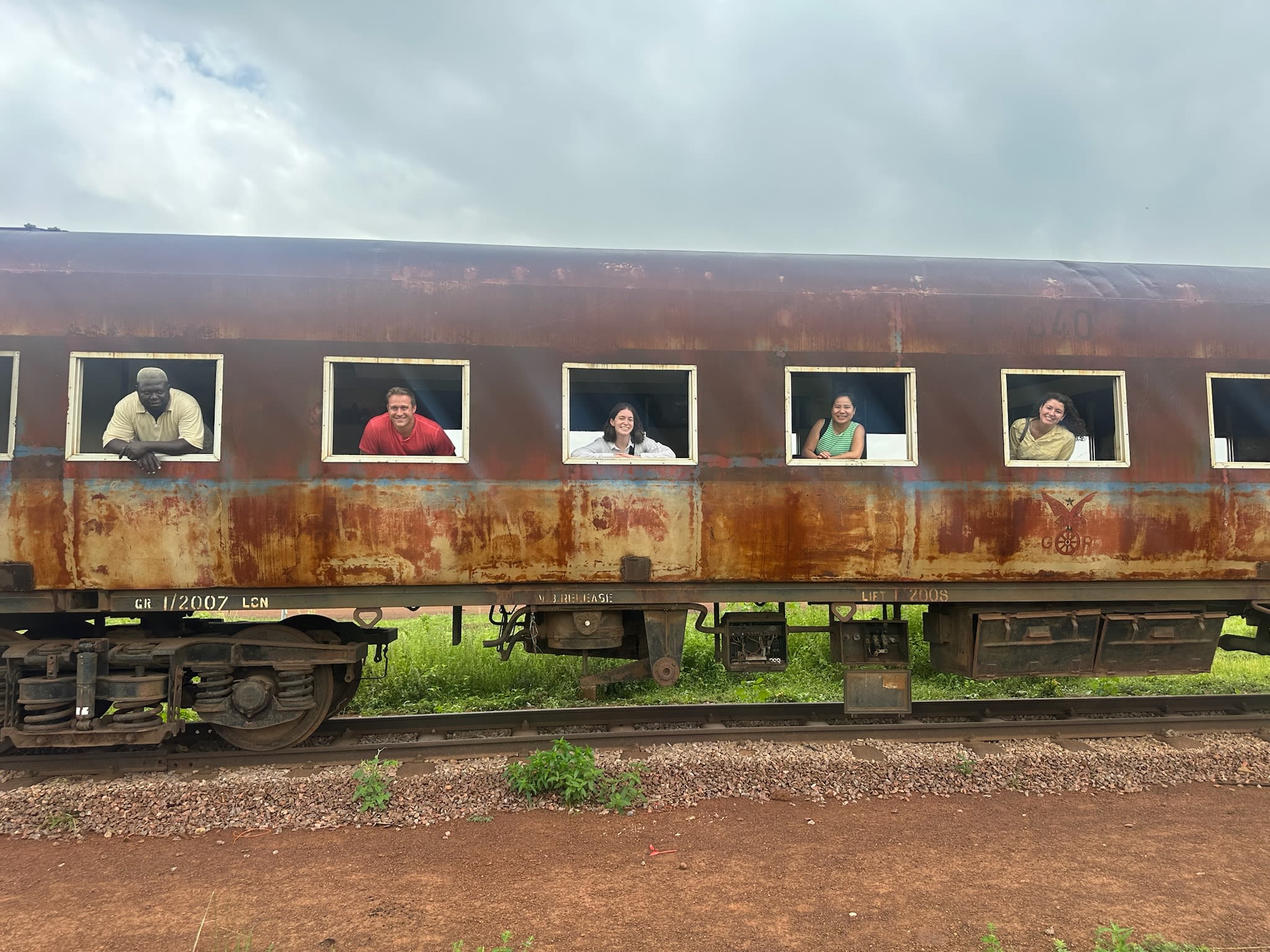
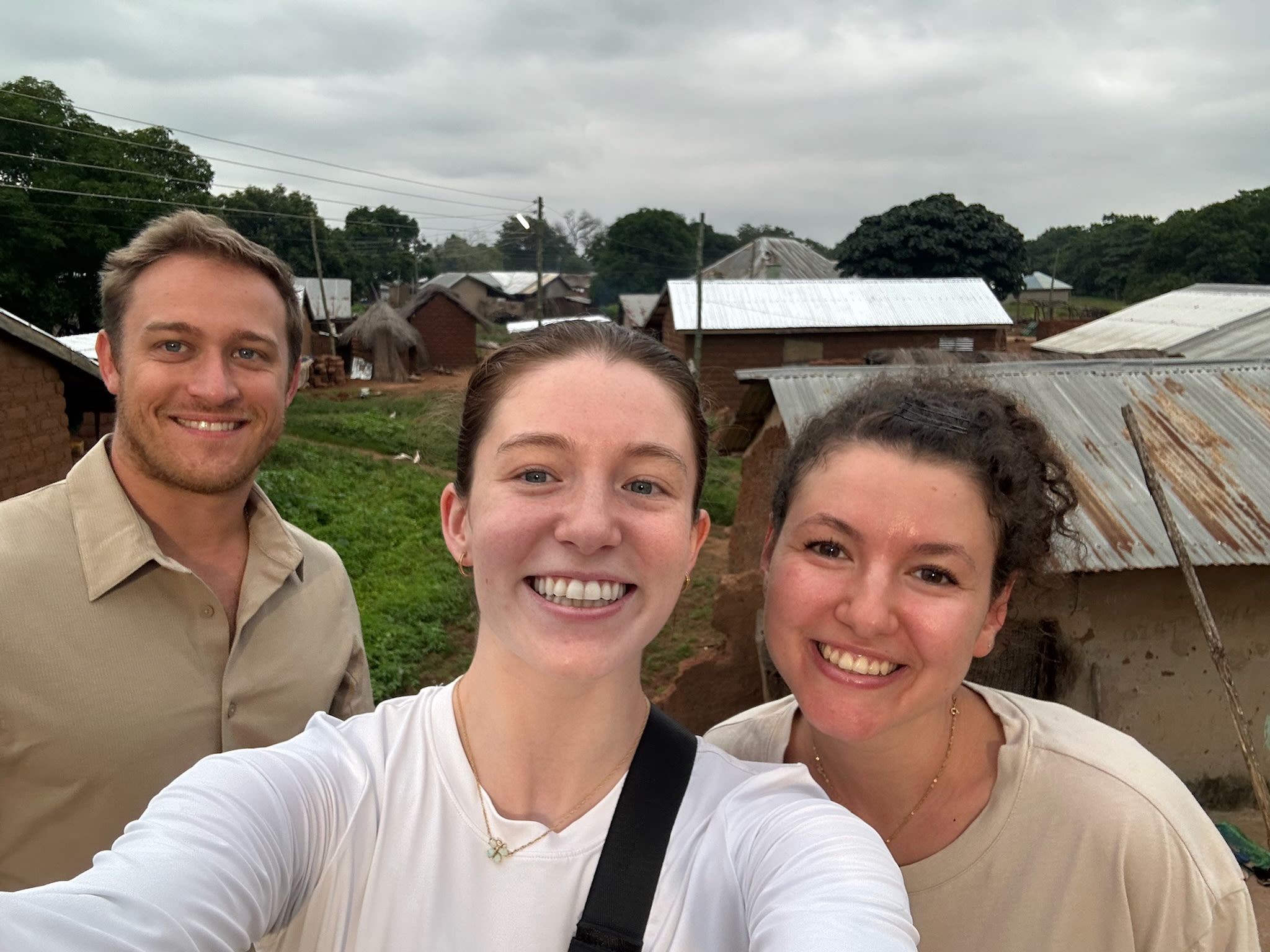
TEAC also maintains a global health program, with student teams traveling to countries including Ecuador, Honduras, Panama and Ghana to assist communities recovering from disasters and facing significant health challenges.
One of the first trips was to Bolivia to assist after a weather-related natural disaster.
"We partnered with the government of Bolivia to provide some healthcare in some of the rural parts of the country," said Maher. "We assisted with mass vaccination and some basic medical triage and medical work.”
Over time, the organization has shifted its approach to emphasize long-term partnerships and health equity.
"It used to be that the global health trip was an opportunity for people to see how healthcare was provided in different contexts and what low-resource care or disaster healthcare can look like," she said. "We have shifted away from that perspective and moved toward centering on health justice, capacity building and creating longitudinal, sustainable, reciprocal relationships."
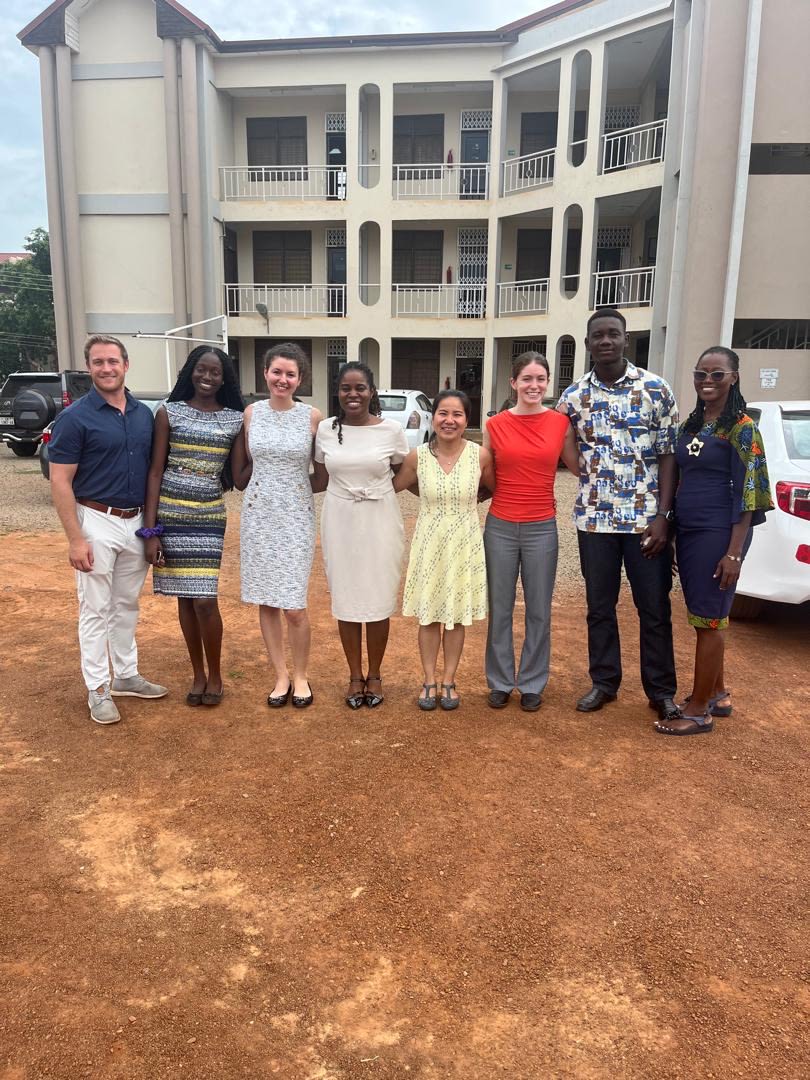
One such partnership is with Tamale Teaching Hospital in northern Ghana, which began in 2010 with Maher as the first resident to travel there for a service-learning opportunity. The partnership has evolved into a collaborative exchange program.
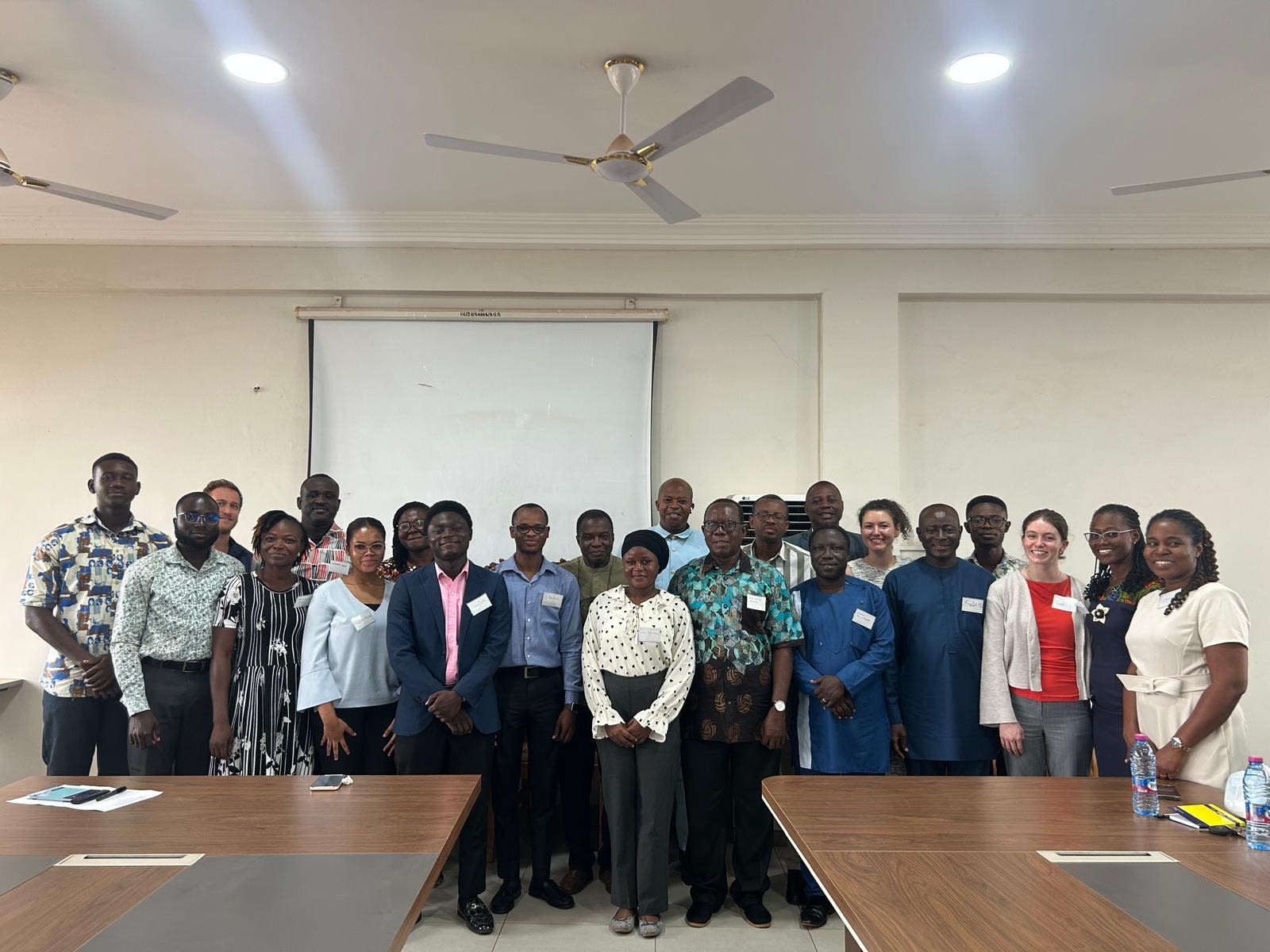
In 2023, TEAC joined the AMPATH Consortium, a network of 18 academic health centers that aims to foster long-term, equitable and cross-cultural partnerships with host health centers and universities that serve populations with significant unmet needs. AMPATH Ghana is a partnership between U.S. and Ghanian academic medical institutions and others to ensure sustainable healthcare for all in northern Ghana.
In 2024, the first cohort of Katz medical students traveled to the Tamale Teaching Hospital for research and clinical experiences, while students from Ghana came to Temple for clinical rotations.
"This partnership is built to be reciprocal," Maher said. "By working together on training and curriculum development, we're creating meaningful global health learning opportunities for students at both institutions."
Looking ahead
As TEAC enters its third decade, Maher and student leaders hope to expand efforts to address food insecurity and increase access to care for underserved communities in North Philadelphia.
"Looking at what TEAC has become—from those first relief trips to a global network of partnerships and community programs—it's remarkable to see how far the students have taken it," Maher said.

 Built with Shorthand