
Temple’s creative legacy:
Powering the arts in Philadelphia
Through its programs, partnerships and alumni, Temple University strengthens Philadelphia’s arts ecosystem and cultivates the city’s next generation of creators.
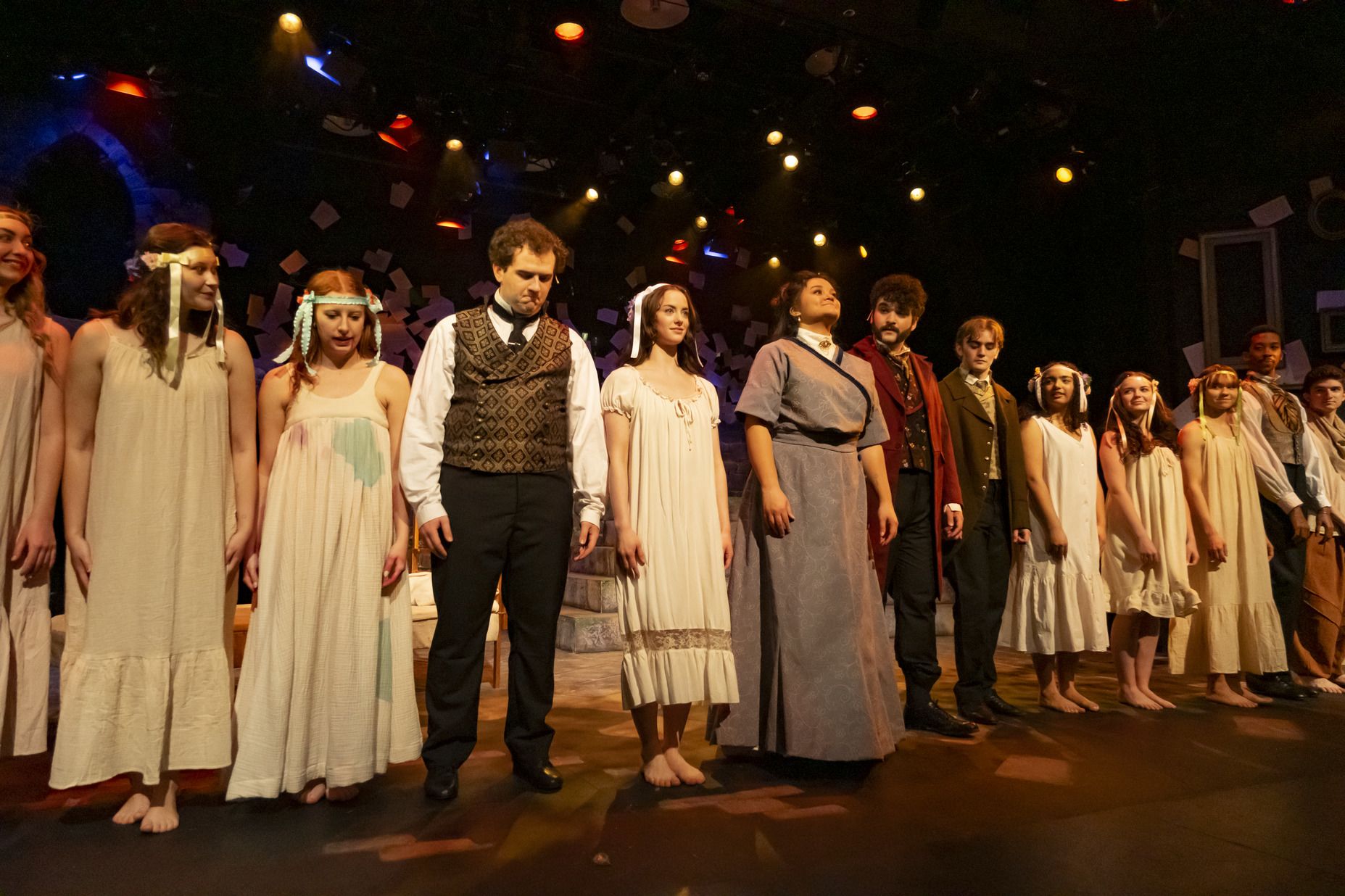


Photo by Ryan S. Brandenberg
Photo by Ryan S. Brandenberg


Photo by Joseph Labolito
Photo by Joseph Labolito

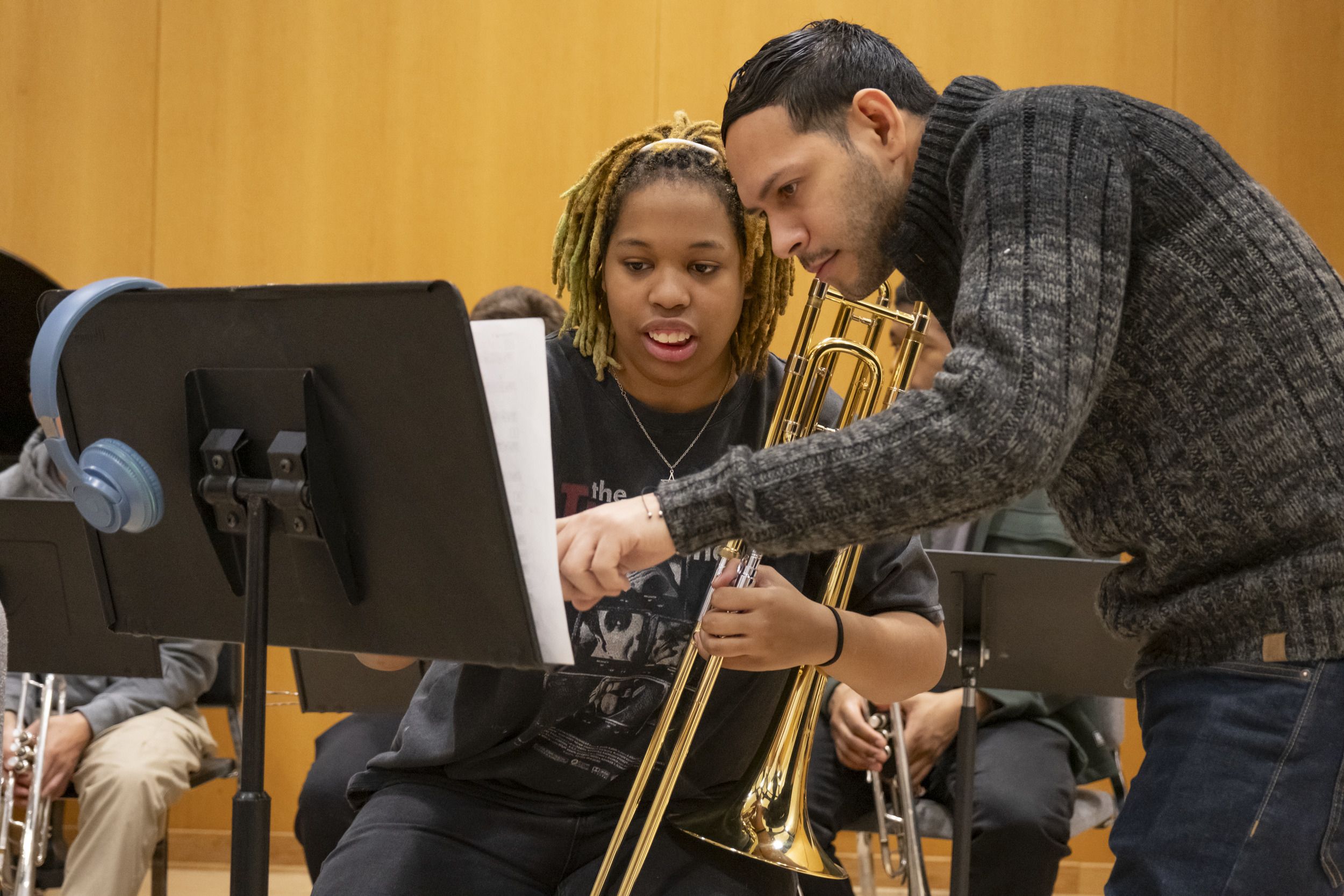
Photo by Joseph Labolito
Photo by Joseph Labolito
Philadelphia is a global arts destination, where public art shapes the city’s sense of community, orchestras perform in front of thousands and independent films premiere alongside major productions. At the core of this creative engine is Temple University, developing the artists, storytellers and cultural leaders who keep the city’s arts scene moving forward.
“Philadelphia has a tradition and foundation we’ve had the privilege to build upon and we take our responsibility to sustain it seriously.”
Across generations, alumni from the Tyler School of Art and Architecture; the Boyer College of Music and Dance; and the School of Theater, Film and Media Arts (TFMA) have shaped Philadelphia’s creative identity. Many now hold key roles in the city’s cultural institutions—producing prize-winning performances, curating cutting-edge exhibitions and leading programs that keep the arts vibrant and accessible.
Temple’s roots in the arts date back more than a century. What began in 1935 with the founding of the Tyler School of Fine Arts in the Elkins Park home of artist Stella Elkins Tyler has evolved into a comprehensive network of programs dedicated to artistic education, creative exploration and civic engagement.
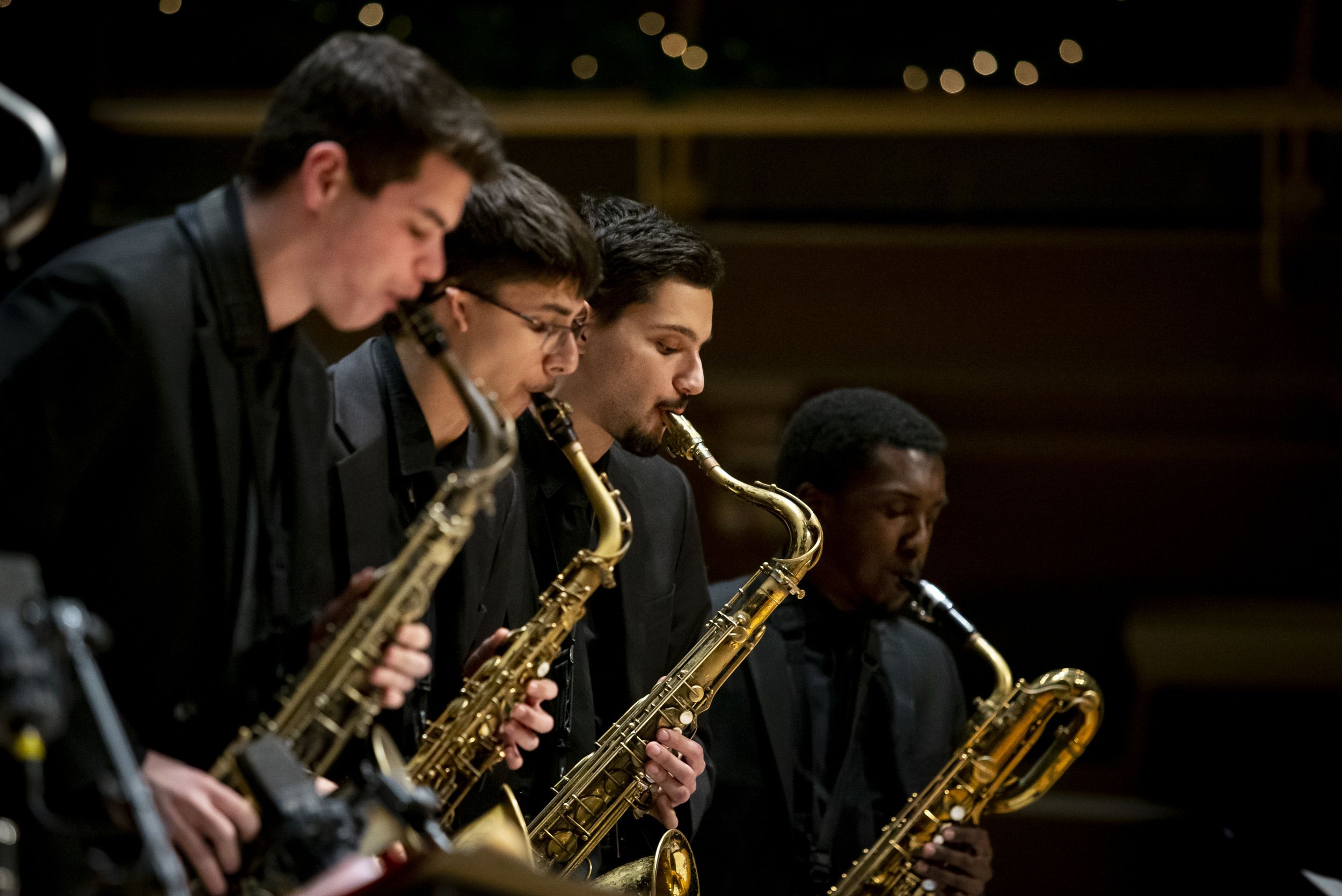
Boyer’s history reaches even deeper, originating as a music education department in 1893 before expanding into a full college in 1962 and later integrating dance to become a nationally regarded center for performance, scholarship and innovation. TFMA grew from early theater and radio courses introduced in the 1930s and 1940s, evolving through decades of expansion in film, television and performance to become a stand-alone school in 2015.
“Our mission is excellence, access and creating opportunities for students,” said Robert Stroker, Joslyn G. Ewart Dean of the Center for the Performing and Cinematic Arts, which houses Boyer and TFMA. “Philadelphia has a tradition and foundation we’ve had the privilege to build upon and we take our responsibility to sustain it seriously.”
Together, these schools provide programs spanning nearly every artistic discipline, from painting, sculpture, ceramics and glass to orchestral performance, film production, dance and digital media. Each program emphasizes both technical mastery and the broader social and cultural dimensions of creative work, preparing students to contribute meaningfully to their fields and communities.
“The way in which art builds community is critical; not just in making it but in experiencing it and feeling connected to others,” said Susan Cahan, dean of Tyler School of Art and Architecture. “Art fosters divergent thinking, and that’s the essence of what we need individually and socially right now.”
The living network:
Temple alumni leading Philly’s arts scene
More than 15,000 Temple arts alumni call the Philadelphia region home, leading major cultural institutions, museums, concert venues and emerging creative spaces. These Owls are strengthening Philadelphia’s cultural infrastructure and reshaping how the city engages with the arts. Their careers span disciplines, but their influence is collective: Temple artists continue to shape and steward the city’s cultural landscape.
Here’s how six Temple alumni are stewarding Philadelphia’s cultural infrastructure to keep the arts alive, evolving and rooted in community.

Valerie Gay, BYR ’10
Chief cultural officer, City of Philadelphia
Executive director, Creative Philadelphia

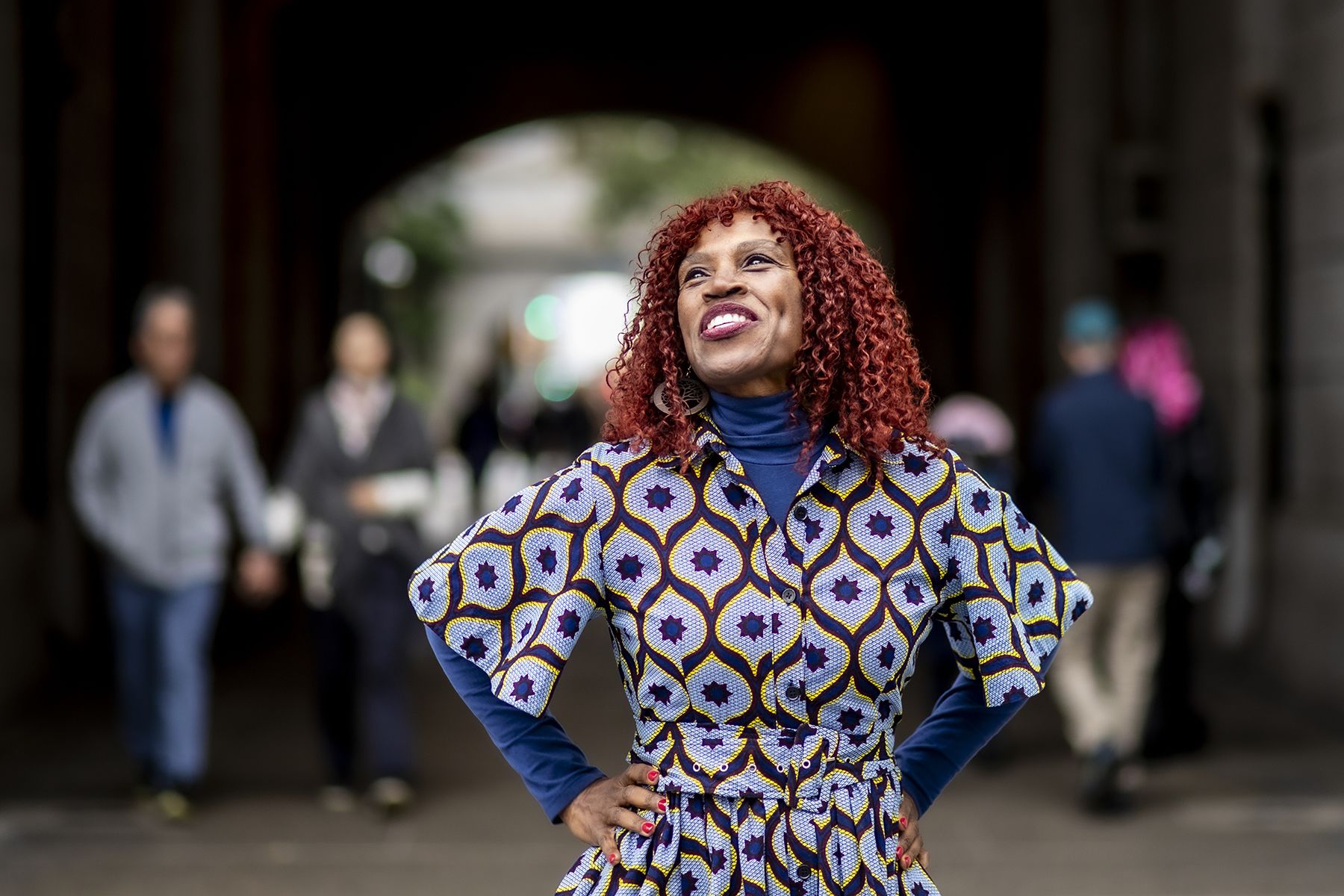
As chief cultural officer for the City of Philadelphia and executive director of Creative Philadelphia, the city’s official office for arts and culture, Valerie Gay oversees an expansive portfolio that includes more than 1,000 public artworks. Philadelphia is internationally recognized for having one of the nation’s oldest and largest public art collections, ranging from the Octavius Catto statue to the upcoming Harriet Tubman monument: the first on city property to honor an African American woman.
Gay’s office also manages cultural programming citywide, curates exhibitions in City Hall and recently launched Healing Verse Germantown, a poetry-based project that uses art to address gun violence. She is also leading the city’s first Cultural Master Plan, set to debut in 2026, and now oversees Mural Arts Philadelphia, one of the city’s largest public art organizations.
When Gay talks about her work, she speaks with both precision and passion, two traits she credits to her time at Temple University. A Boyer alum, Gay earned her master’s in voice performance while working full-time at Temple and raising funds for the College of Education and Human Development. “Being an adult student, balancing full-time work and studying required extreme discipline,” she recalled. “Temple taught me that structure brings freedom and when I put constraints on myself, it frees me up.”
That discipline now drives her systems-based approach to leadership. “If I have to do something more than three times, it needs a system,” said Gay with a smile. For her, those systems aren’t just about efficiency; they’re about supporting the city’s creative infrastructure.
“Philadelphia doesn’t just power the arts. The arts power Philadelphia.”
Catherine Cahill, BYR ’80
President and CEO, Highmark Mann Center for the Performing Arts

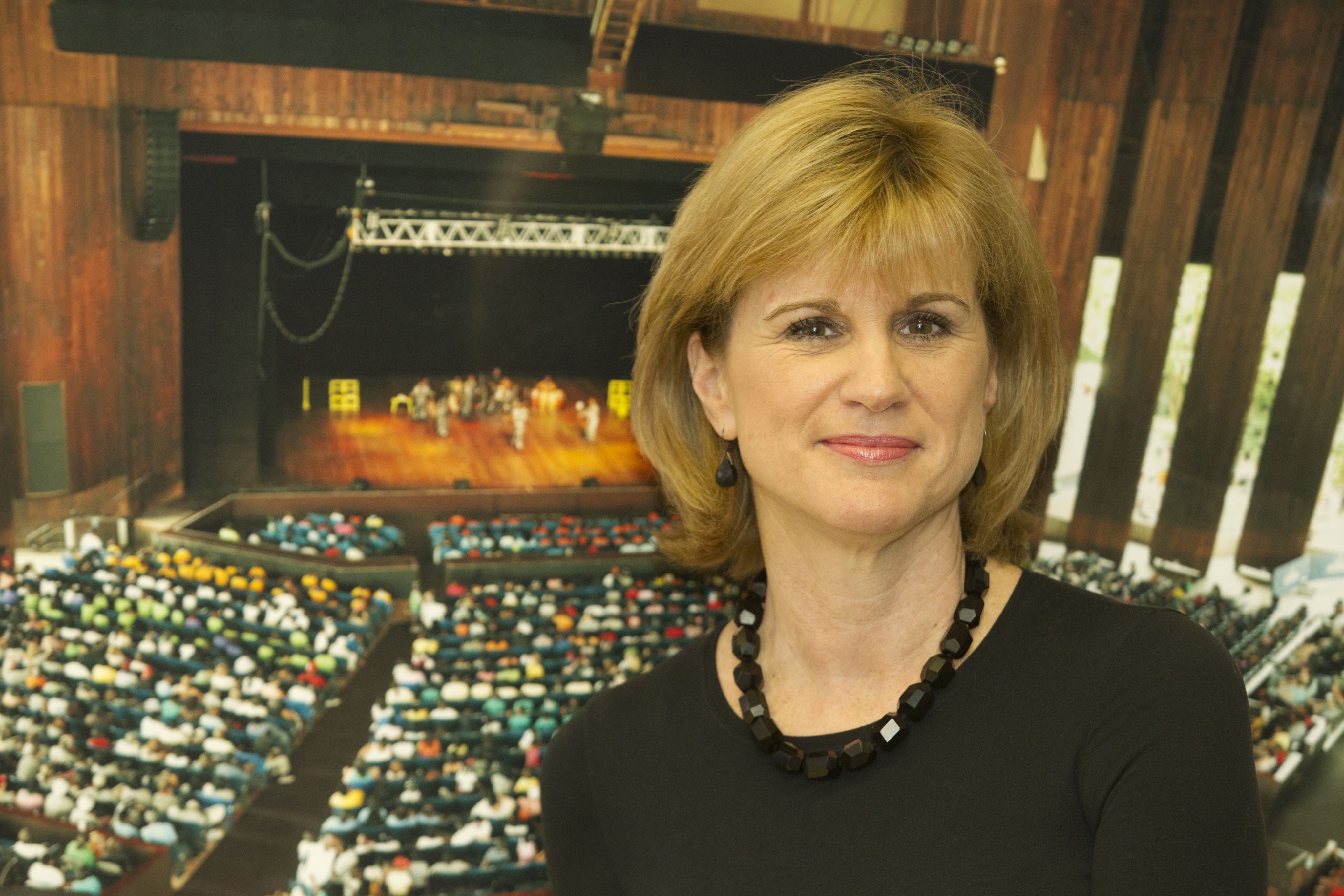
When Catherine Cahill picked up a cello in middle school, she didn’t realize it would define her life’s path. “That was my ticket,” she said. “It gave me direction and a sense of belonging.” Today, as president and CEO of Highmark Mann Center for the Performing Arts, Cahill carries that sense of purpose into her leadership. Under her direction, Highmark Mann has expanded its role from a seasonal concert venue to a year-round hub for community-focused arts and education programs rooted in West Philadelphia.
“We asked, what does our neighborhood need?” Cahill said. That question drives initiatives such as the biannual HBCU Festival, which brings together more than 25 historically Black colleges and universities for performances, mentorship and college access. Highmark Mann also developed and hosts the annual Albert M. Greenfield All City Orchestra Summer Academy, a free three-week camp for Philadelphia students that helps young instrumentalists advance their musicianship while also preventing “summer slide” through daily rehearsals, master classes and creative workshops led by members of The Philadelphia Orchestra and other partners.
A graduate of Boyer, Cahill credits her time at Temple with shaping her approach to leadership. “Temple gave me discipline, confidence and perspective,” she said. “It taught me to see the arts as a way to serve.”
Before joining Highmark Mann, Cahill held leadership positions with institutions including the New York Philharmonic at Lincoln Center and the Toronto Symphony Orchestra. Yet her work in Philadelphia is closest to her heart. “There’s real legacy here,” she said. “Highmark Mann and its predecessor, the Robin Hood Dell, has made history in terms of the world-class artists presented on our stages. Our job is to nurture, protect it and pass it on.”
Her advice for students reflects that same outlook: “Follow your heart. If what you do makes your heart sing, you’ll make an impact that lasts.”
Maori Karmael Holmes, TFM ’05
Chief executive and artistic officer, BlackStar Projects

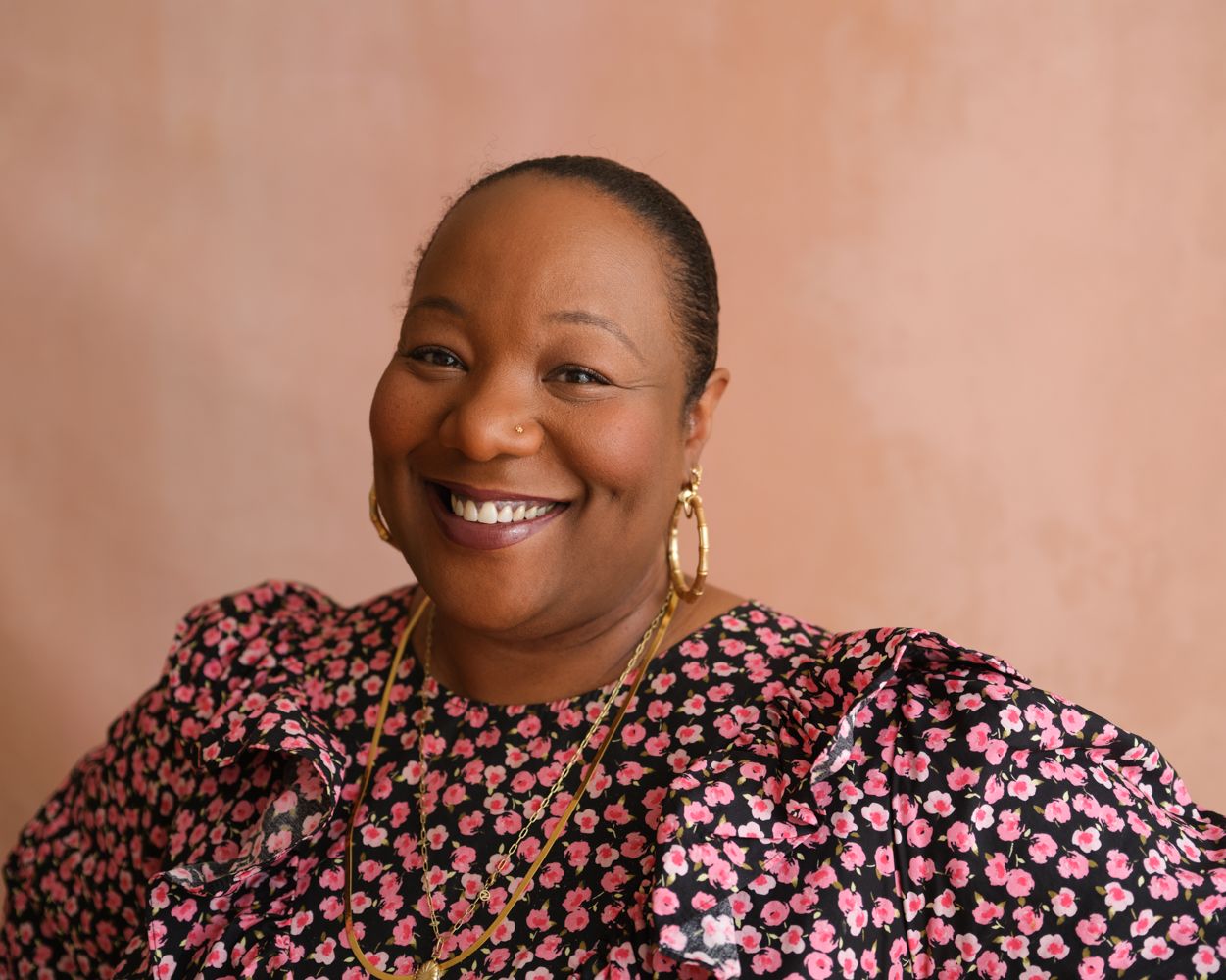
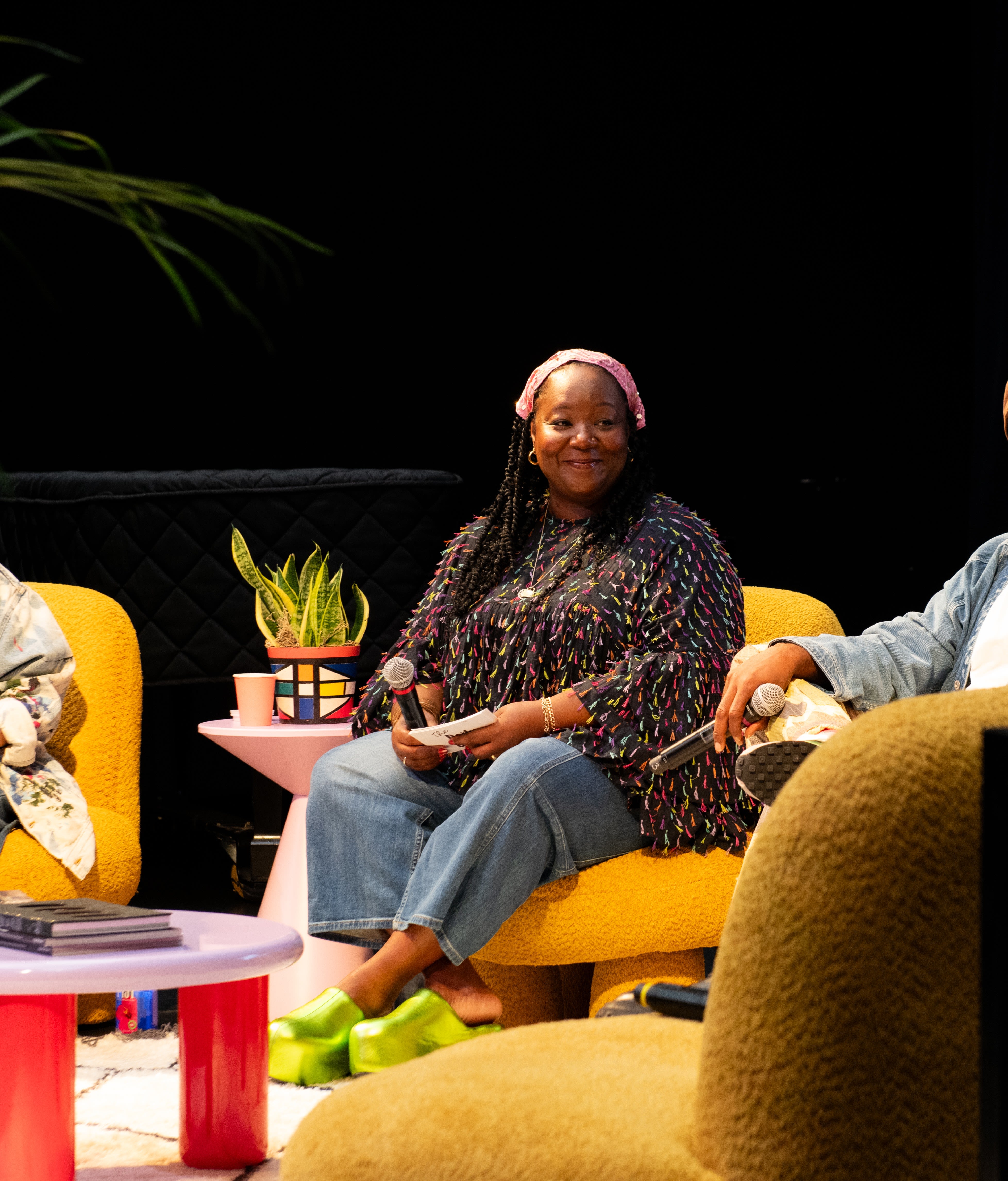
Filmmaker, writer and curator Maori Karmael Holmes founded BlackStar Film Festival in 2012. Today she serves as chief executive and artistic officer of BlackStar Projects, an organization that has become a cornerstone for Black, brown and Indigenous filmmakers. Each summer, the festival draws thousands of attendees, including artists, scholars, industry executives and audiences who travel to Philadelphia for its screenings, panels and premieres. What started as a single festival has developed into a year-round hub that includes the Seen journal of film and visual culture, the William and Louise Greaves Filmmaker Seminar, the Philadelphia Filmmaker Lab, and a robust lineup of screenings and exhibitions.
Headquartered in Philadelphia, BlackStar continues to thrive under Holmes’ direction. “Our mission is to combat erasure,” she said. “We focus on filmmakers whose work might not fit traditional industry definitions: the artists who tell stories from the margins, experiment with form and move the culture forward.”
A native of Los Angeles, Holmes studied at Howard University and American University before coming to Temple for her MFA in film and media arts. She was drawn to Temple’s emphasis on documentary filmmaking and the chance to work with faculty who helped shape her creative outlook, including Michelle Parkerson, Sarah Drury and the late Kariamu Welsh. “They opened my world,” she said, reflecting on how those mentors deepened her sense of film as a social and artistic practice.
Her career has since been defined by collaboration and community. Among her recent achievements is Terence Nance: Swarm, a 2023 exhibition featuring the work of filmmaker Terence Nance at the Institute of Contemporary Art at the University of Pennsylvania.
Through BlackStar, Holmes continues to build networks that connect artists and audiences. “I love getting to put programs together, while connecting filmmakers, audiences and ideas,” she said. “That’s the joy of this work.”


Temple arts at a glance
2,000+
student artists currently enrolled
15,000+
alumni powering Philly’s arts scene
400+
artistic presentations each year

Lindsay Smiling, TFM ’03
Co-artistic director, Wilma Theater

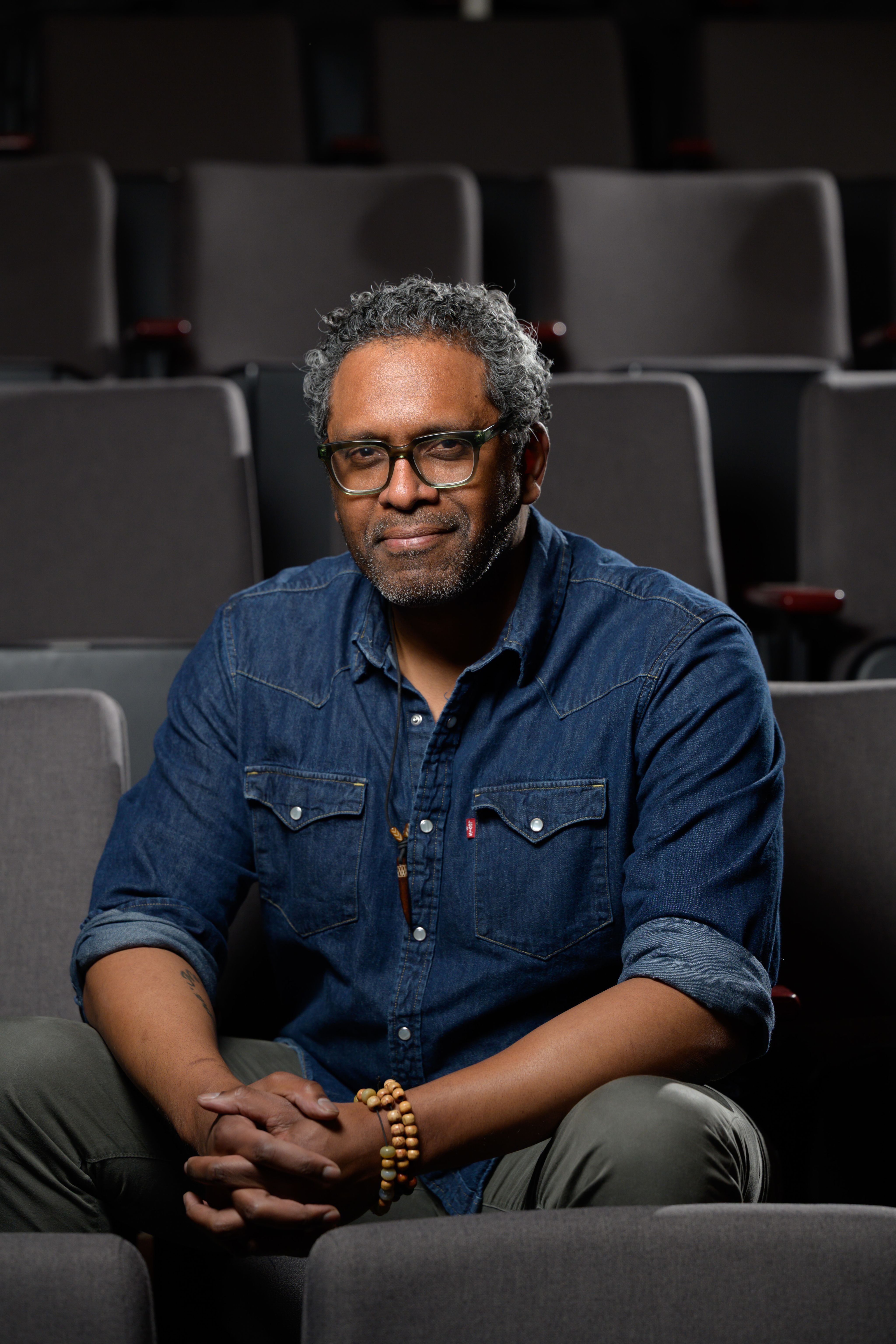
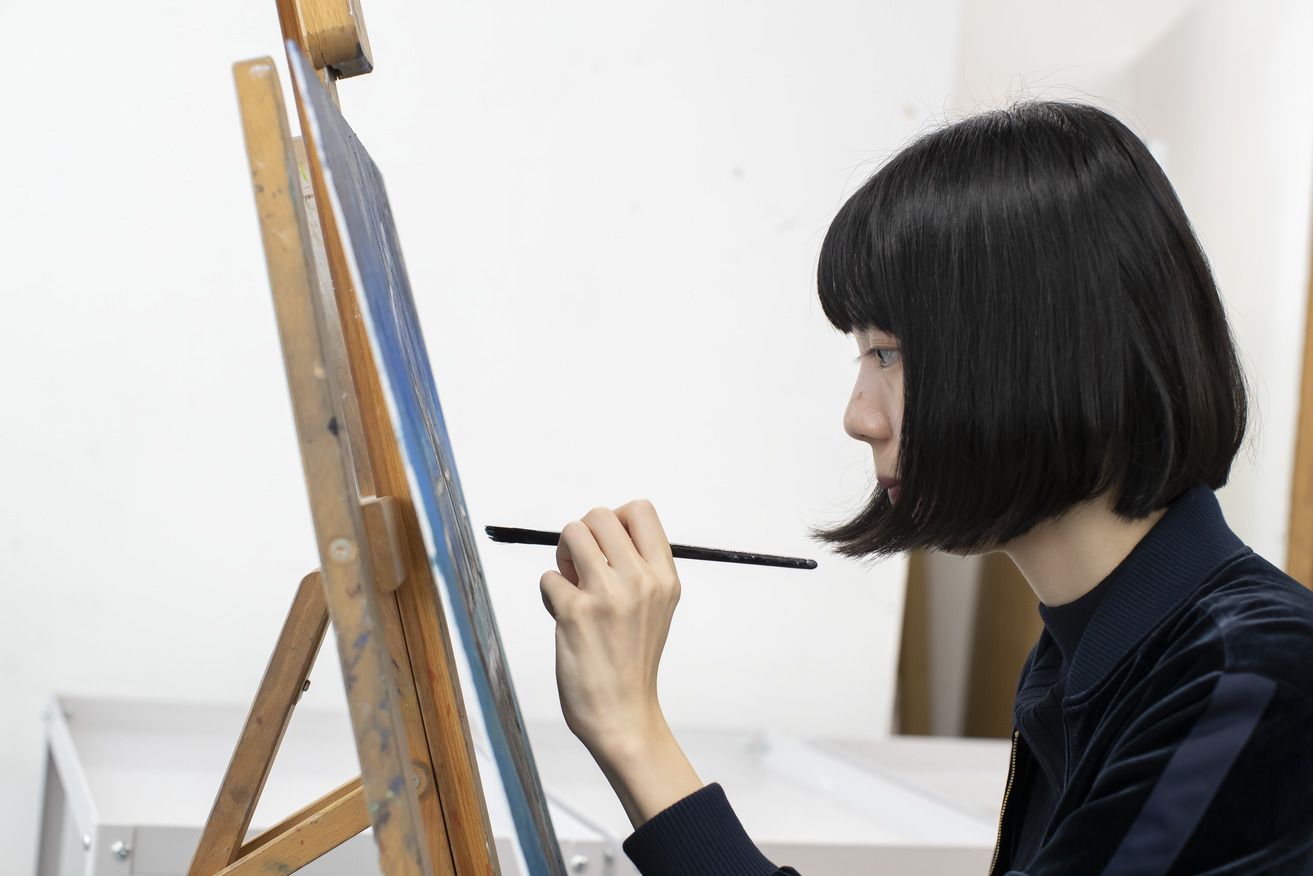
For Lindsay Smiling, the stage has always been a place to ask questions about identity, humanity and connection. Now co-artistic director of Philadelphia’s Wilma Theater, one of the city’s most influential companies, known for its award-winning productions and artist-driven approach, Smiling carries that same curiosity into each production. “We want people to really engage,” he said. “Even when the work is abstract, it shouldn’t feel inaccessible.”
Smiling’s path to leadership began with small roles and big lessons. After earning his MFA in acting from Temple, he worked steadily as a performer, building a career across regional stages before joining Temple’s faculty. His return to Philadelphia brought him back to the Wilma, where he became part of the theater’s HotHouse Company, a resident ensemble known for experimentation and collaboration. Shortly after the Wilma’s founding artistic director retired, Smiling stepped into the role, determined to keep that spirit alive. “I thought, we should have an actor in leadership,” he said.
At Temple, Smiling now finds himself on the other side of the classroom, inspired by a new generation of artists. “They’re navigating a whole other host of issues: identity, equity and expression,” he said. “I learn from them every day.”
He offers his students straightforward advice: “Don’t learn for the grade. Learn because you’re curious. Grow your craft—that’s what lasts.”
For Smiling, seeing fellow Temple alumni shaping the city’s cultural scene is a reminder of shared purpose. “It’s like, oh, that person went to the same school; we’re coming from something special,” he said. “It reminds me to trust my skills and that it’s not a fluke.”
Jennifer Zwilling, TYL ’01
Curator and director of artistic programs, The Clay Studio

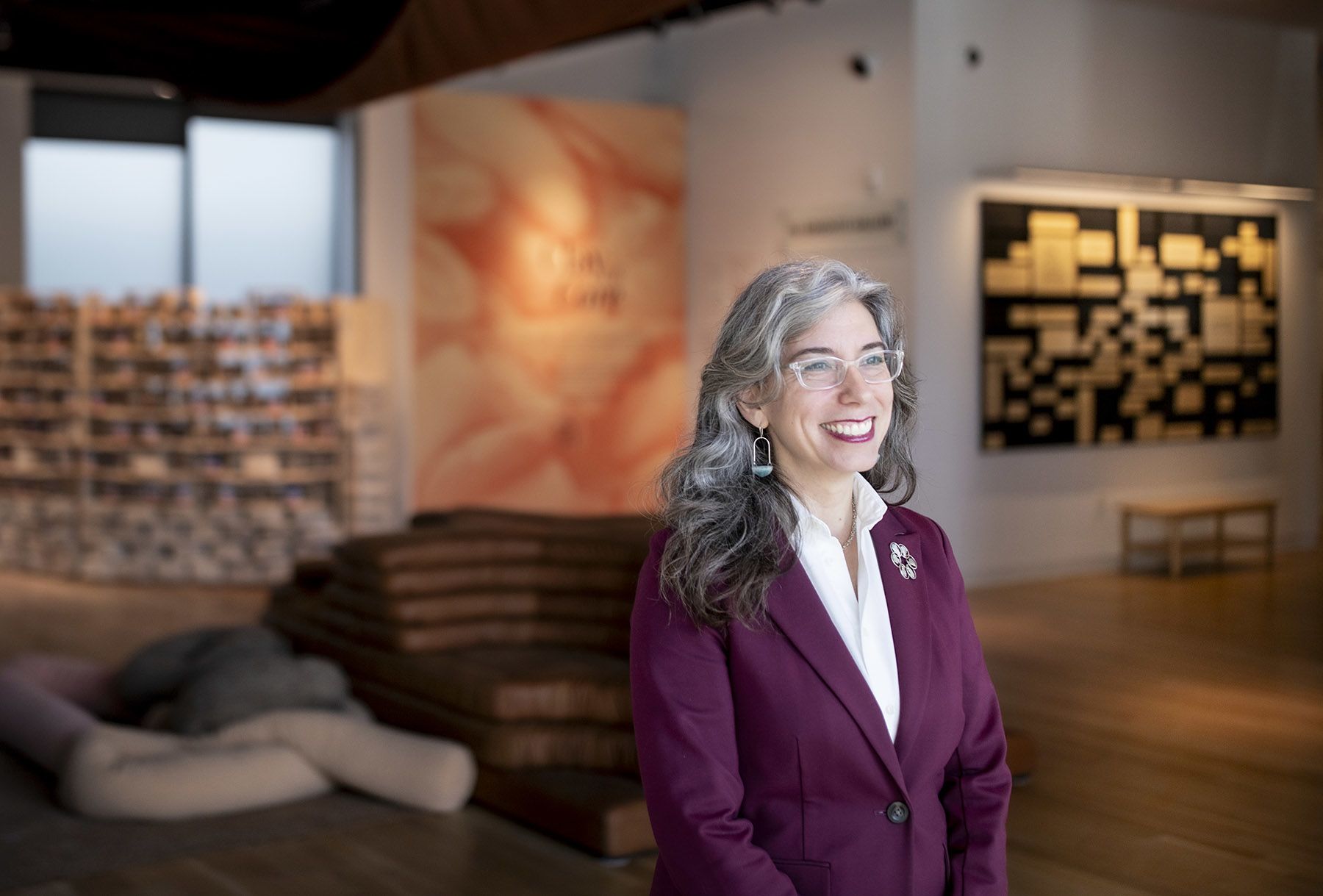
At The Clay Studio in Kensington, Jennifer Zwilling plays a pivotal role in cementing Philadelphia’s reputation as a leader in contemporary ceramics. As curator and director of artistic programs, she helps to shape the studio’s vision and creative strategy. Since its founding in 1974, the organization has expanded far beyond its local roots, emerging as a national leader where thousands of children, adults, amateurs and professionals learn through its hands-on model of engagement.
As a Tyler alum, Zwilling earned her master’s in art history in an environment enriched by studio classes that shaped her perspective and underscored the value of curators and artists working together. She later returned to Tyler to teach for a decade, helping students see that artmaking and scholarship go hand in hand.
After 14 years at the Philadelphia Art Museum, Zwilling joined The Clay Studio in 2014. She helped guide the organization’s 2022 relocation from Old City to its new 34,000-square-foot facility in Kensington, a move shaped by community input and collaboration with artists including Roberto Lugo and Jennie Shanker, who previously taught at Tyler.
Zwilling’s greatest contribution to Philadelphia is her transformation of The Clay Studio into a model for how art can strengthen civic life. She has shown that clay is more than a medium—it is a force for connection, healing and belonging.
“So many Tyler people are powering the arts in Philadelphia,” she said. “We’re proud to be Philly people. We know how to work together.”
For Zwilling, that shared pride is what gives The Clay Studio its purpose: a space where clay connects people, nurtures creativity and helps Philadelphia’s arts community thrive from the ground up.
According to Zwilling, “Even with everything going on in the world,” she said, “it’s beautiful to see people put their phones down, throw on the wheel and make art.”


Richard Hricko, TYL ’79
Co-founder, Crane Arts

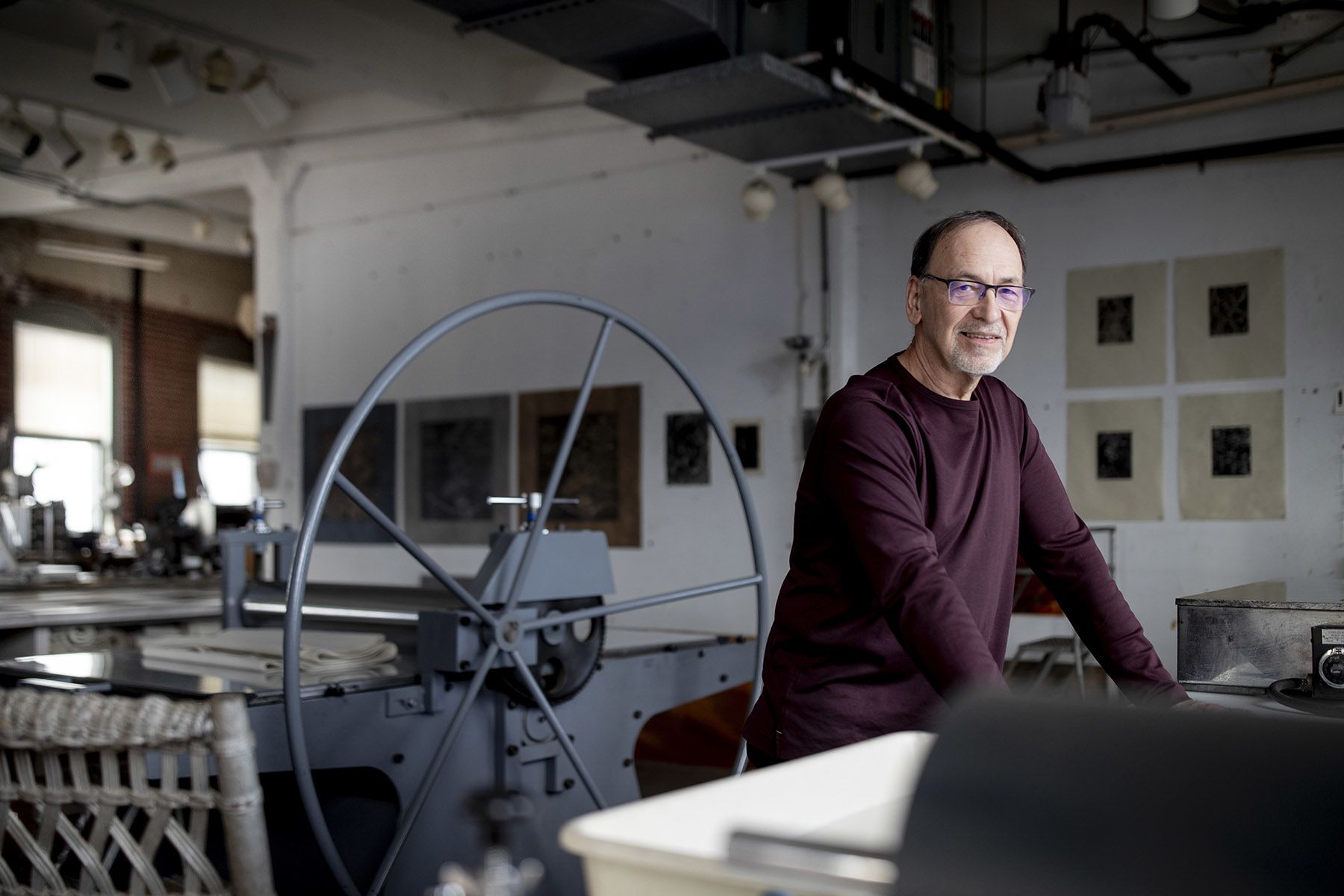
In 2004, Richard Hricko helped change the trajectory of Philadelphia’s arts landscape when he co-founded Crane Arts, a 90,000-square-foot cold storage warehouse transformed into one of the city’s most influential creative hubs. Repurposed at a time when few investors saw potential in North American Street, the building demonstrated that artists could drive neighborhood revitalization long before developers arrived. Its conversion proved artists’ interventions in industrial ruins could become engines of cultural and economic vitality.
“Our first tenants were Tyler grads,” Hricko said. “It helped them build portfolios, find teaching jobs and stay in the city.” Today, Crane Arts provides affordable studios and gallery space for hundreds of artists and is widely cited as a model for community-anchored cultural development.
The building also houses Second State Press, a community print shop co-founded by Hricko, Zach Lindenberger, TYL’03, and Jennifer McTague, TYL’04, to give emerging artists ongoing access to professional equipment and workspace after graduation, filling a critical gap for makers who might otherwise have no place to produce work and sustaining Philadelphia’s identity as a thriving center for printmaking.
Hricko’s influence, however, extends far beyond real estate. After earning his MFA in printmaking at Tyler, he joined the faculty, later serving as associate dean.
“Temple connected me to Philadelphia,” he said. “It’s one of the best art schools in the country: rigorous, accessible and deeply tied to this city.”
After more than five decades of maintaining his own professional studio practice, teaching and curating spaces in which others can create, Hricko remains deeply committed to the city that shaped him.
“The beauty of Philadelphia is that it gives you room to evolve,” he said. “If you stay connected and keep creating, there’s always a place for you here.”
Reflecting on his career, he credits Temple for giving him both skill and purpose. “Temple taught me to think broadly, to work hard and to give back.”


Expanding the footprint:
Building the future of arts at Temple
“Temple is part of the creative DNA of this city.”
Temple’s artistic reach continues to grow. The acquisition of Terra Hall added valuable creative space for student, faculty and community collaborations while strengthening the university’s connection to the city’s cultural corridor.
“Bringing the arts to Broad and Walnut is an amazing commitment,” said Stroker. “It reflects our responsibility to keep the arts accessible and woven into the fabric of Philadelphia.”
The university’s new partnership with the Pennsylvania Academy of the Fine Arts (PAFA) further exemplifies that commitment, creating new pathways for art students and positioning Temple as a national model for arts education in an urban setting.
“Partnerships like this expand the exchange of ideas and opportunities,” said Cahan. “They help ensure that art remains a shared resource, not an exclusive one.”
At the same time, construction is underway on the Caroline Kimmel Pavilion for Arts and Communication, scheduled to open on Broad Street in fall 2027. The 199,000-square-foot facility will house the Klein College of Media and Communication, the Boyer College of Music and Dance and the School of Theater, Film and Media Arts, expanding Temple’s influence along Philadelphia’s Avenue of the Arts and cementing its role in the city’s cultural anchor.
“Temple is part of the creative DNA of this city,” said Cahan.

Also read:
A home for makers, thinkers and visionaries: With art and community at its core, the Tyler School of Art & Architecture offers more than 30 programs across art, design and the built environment, pairing studio-based instruction with the resources of a major research university to prepare socially engaged creative leaders.
Cultivating the next generation of musicians and dancers: At the Boyer College of Music and Dance, world-class faculty lead rigorous programs spanning performance, composition, music technology and dance theory, fostering artistic excellence and preparing students for meaningful careers in the performing arts.
Become an Owl: Learn more about applying for one of our undergraduate, graduate or professional programs.


 Built with Shorthand